
Home > Fisher & Paykel > FISHER PAYKEL DD60DI9 DishDrawer Dishwasher
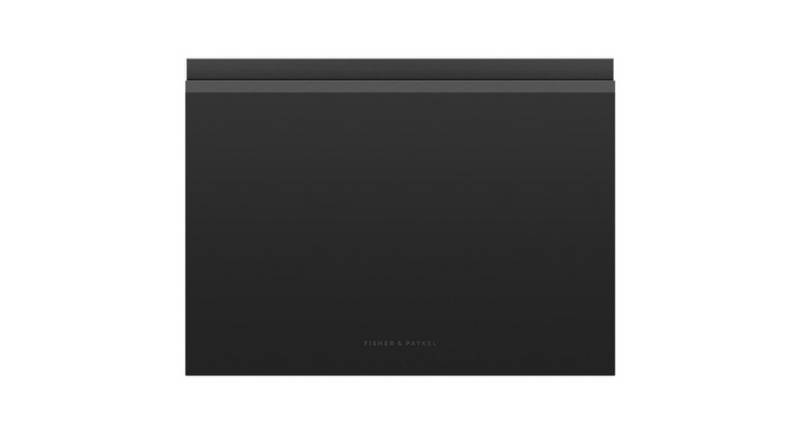
FISHER PAYKEL DD60DI9 DishDrawer Dishwasher


DISHDRAWER™ DISHWASHER
DOUBLE MODELS
DD60DI9, DD60DHI9, DD60D4NX9, DD60D4NB9, DD60D4ZB9,
DD60D4HNX9, DD60D4HNB9, DD60D4HZB9
SINGLE MODELS
DD60SI9, DD60STI9, DD60SLI9, DD60SHI9, DD60SHTI9, DD60ST4NX9,
DD60ST4NB9, DD60ST4ZB9, DD60ST4HNX9, DD60ST4HNB9,
DD60ST4HZB9
USER GUIDE
NZ AU UK IE SG


| General | Details |
|---|---|
| Name | FISHER PAYKEL DD60DI9 DishDrawer Dishwasher |
| Make | Fisher & Paykel |
| Language | English |
| Filetype | PDF (Download) |
| File size | 2.53 MB |
 (1 votes, average: 5.00 out of 5)
 Loading...

FISHER PAYKEL DD24DCHTX9 N Dishwasher

FISHER PAYKEL DD24DCTW9N Dishwasher

FISHER PAYKEL DD24SCTX9 N Dishwasher

FISHER PAYKEL DD60SCHX9 Dishwasher

FISHER PAYKEL DD24DI9N Sanitize Dishwasher

FISHER PAYKEL DD24SV2T9N Sanitize Tall Dishwasher

FISHER PAYKEL DD60DAX9 Dishwasher

FISHER PAYKEL DD60SDFHTX9 Dishwasher

FISHER PAYKEL DW24UT4I2 Dishwasher

FISHER PAYKEL DD24SVT9 Dishwasher

FISHER PAYKEL DD60DI9 DishDrawer Dishwasher Overview
Summary of Contents
- Page 1: DISHDRAWER™ dishwasher Double models Single models User guide
- Page 2: Safety and warnings First use Loading suggestions Wash programs Operating instructions Wash modifiers Delay start Keylock & Childlock Detergent Water softener (some models only) Preferences
- Page 3: Safety and warnings Read and save this guide When using your DishDrawer™ Dishwasher, follow basic precautions. The information in this guide must be followed to minimize the risk of fire or explosion or to prevent property damage, personal injury, or loss of life. Use the DishDrawer™ Dishwasher only for its intended function as described in this user guide. This appliance is intended to be used in household and similar applications. Use only detergents or rinse aid recommended for use in a domestic dishwasher and keep them out of reach of children. When loading items to be washed, locate sharp items so that they are not likely to damage the internal lid. Do not touch the filter plate in the DishDrawer™ Dishwasher base during or immediately after use, as it may be hot. Do not operate your DishDrawer™ Dishwasher unless all enclosure panels are properly in place. To reduce the risk of injury, do not allow children to play in or on the DishDrawer™ Dishwasher.
- Page 4: Safety and warnings The DishDrawer™ Dishwasher must be used with the motor assembly, filter plate, drain filter and spray arm in place. Take care not to load dishware items so they prevent the internal lid from properly sealing with the drawer. Cleaning and maintenance shall not be done by children without supervision. If the DishDrawer™ Dishwasher is not being used for long periods of time, turn the electricity and water supply off. Household appliances are not intended to be used by children. If a dishwasher cleaner is used, we recommend running a wash program with detergent immediately afterward to prevent any damage. The DishDrawer™ Dishwasher is designed for washing normal household utensils. This DishDrawer™ Dishwasher must be installed and located in accordance with the installation instructions before it is used. Installation and service must be performed by a Fisher & Paykel trained and supported service technician. Do not operate this appliance if it is damaged, malfunctioning, partially disassembled or has missing or broken parts.
- Page 5: Safety and warnings This appliance must be grounded to reduce the risk of electric shock. Grounding provides a path of least resistance for electric current. Improper connection of the equipment-grounding conductor can result in a risk of electric shock. Do not modify the plug provided with the appliance. If the DishDrawer™ Dishwasher is installed as a permanently connected appliance, it must be connected to a grounded metal wiring system. Disconnect the appliance from the power supply before any cleaning or maintenance. Do not repair or replace any part of the appliance unless specifically recommended in this guide. Keep the floor around your appliance clean and dry to reduce the possibility of slipping. Keep the area around and underneath your appliance free from combustible materials. Do not change or modify the wireless communication device in any way.
- Page 6: Ensure the installer has completed the ‘Final checklist’ in the Installation instructions. Read this guide, taking special note of the 'Safety and warnings' section. Remove all internal and external packaging and dispose of it responsibly. The control panel is located on the inside of the drawer. Opening the drawer will automatically turn the DishDrawer™ Dishwasher on. Control panel features include wash program selector and wash modifier selector. Indicators on the control panel include wash modifier indicators and delayed start indicator. The DishDrawer™ Dishwasher has an upper tub and a lower tub. The control panel also features a lock indicator and a Wi-Fi indicator. Recycle items that you can.
- Page 7: First use The combination of high temperatures and dishwasher detergent may cause damage to some items. All cutlery and silverware should be rinsed immediately after use to prevent tarnishing. Most glassware is dishwasher safe, but crystal and antique glassware may etch and develop a cloudy appearance. Some plastics may change shape or color with hot water. Aluminium can be dulled by detergent, depending on the quality of the detergent or aluminium. Most modern china patterns are dishwasher safe, but antique items may be more sensitive to machine washing. Woodware is generally sensitive to heat and water, which may cause deterioration over time. Hard water can be detrimental to the performance of your dishwasher and can cause glassware to become cloudy. If you live in a hard water area, consider fitting a water softener to the household water supply. Use rinse aid and consider raising the rinse aid setting to improve wash performance.
- Page 8: Loading suggestions include scraping food off dishware before loading. Ensure items are placed for optimal water reach from the spray arm. Spray arms should rotate freely. Glass and fragile items must be stable. All dish openings should face downwards. Plates need to be evenly spaced. Sharp objects should be secured to avoid injury. Overcrowding should be avoided. Protrusions that may block spray arm rotation should be removed. Maximum place settings per drawer vary by region.
- Page 9: Your DishDrawer™ Dishwasher has a number of wash programs designed to suit your needs. Selecting the most appropriate cycle for each load will help ensure the best wash results. The Eco program is the most efficient program in terms of combined energy and water consumption. Loading the dishwasher to capacity will contribute to water and energy savings. Pre-rinsing of tableware items will increase water and energy consumption and is not recommended. Washing tableware with a household dishwasher usually consumes less energy and water than hand washing, when used according to manufacturer's instructions. Heavily soiled pots, pans and dishes are suited for the Heavy wash program. The Medium wash program is for dishes that are quite heavily soiled or food soils that have been left to dry overnight. The Delicate wash program is for lightly soiled and heat sensitive crockery and glassware. To set a wash program, ensure the dishwasher is turned on and detergent has been added.
- Page 10: Operating instructions Pausing a wash Knock twice on the door. Wait for three short and one long tone before opening the drawer. Forcing it open mid cycle may cause damage or injury. If the drawer is not restarted within 7 minutes it will tone intermittently until it is restarted. Resuming a wash To resume, press and close the drawer. Cancelling a wash Press and hold. If there is any water in the drawer, it will drain before the DishDrawer™ Dishwasher turns off.
- Page 11: Wash modifiers allow for additional options after setting the wash program. Only one modifier can be set at a time. Extra dry increases the final rinse temperature and the length of the drying phase. Quick uses additional water and energy for a faster wash time. Sanitize raises the water temperature during the rinse phase to sanitize. Available modifiers for the heavy wash program include extra dry, quick, and sanitize. Medium wash allows for extra dry, quick, and sanitize. Eco wash has extra dry available. Fast wash includes extra dry. Delicate wash allows for extra dry and quick. To set a wash modifier, ensure the DishDrawer™ Dishwasher is turned on, detergent has been added, and a wash program has been selected. Press to scroll through the wash modifier options. The selected wash modifier indicator will illuminate on the display. Press to start the wash and close the drawer within 7 seconds.
- Page 12: Wash modifiers The sanitize wash modifier adjusts the wash program to meet the conditions required for sanitization. Only programs utilizing the sanitize wash modifier are certified to meet the conditions required by Section 6, NSF 184. For sanitization to occur, the temperature of the water needs to reach 70°C. Ensure all items are dishwasher safe before running the sanitize modifier. If the wash is interrupted or the water supply is turned off, the heating conditions for sanitization may not be met. If sanitization has been successful, the wash will finish as normal. If sanitization has not been successful, an alert will sound and the sanitize indicator will flash. Check if the water supply has been turned off or the wash program interrupted. Press and hold to stop the beeping and then again to clear the alert code. Reset sanitize and run the cycle again.
- Page 13: Delay start can delay the start of the wash program between 1–12 hours. The display will show the number of hours until the wash program is set to begin. Press and hold to set the delay start time. Each tone indicates a 1h delay. Close the drawer. The wash will start when the delay time is over. If you scroll past 12 hours, the DishDrawer™ Dishwasher will exit Delay Start mode. Cancelling Delay Start requires opening the drawer and pressing and holding until the indicator dims.
- Page 14: Keylock disables all buttons across the control panel and door for the selected drawer. To activate Keylock, press and hold until you hear a tone and illuminates. Childlock disables all buttons across the control panel and door and locks the selected drawer closed. To activate Childlock, press and hold until you hear two tones and illuminates. If the drawer is open, press and hold until dims to cancel Keylock or Childlock. If the drawer is closed, knock three times on the drawer to cancel Keylock or Childlock.
- Page 15: Detergent warnings indicate that dishwasher detergents are strongly alkaline and can be dangerous if swallowed. Avoid contact with skin and eyes, and keep children away from the open dishwasher. Check the powdered detergent dispenser after each wash to ensure it is empty. Certain types of detergents, such as liquid detergents, laundry detergents, hand washing liquids, soaps, and disinfectants, are unsuitable and may damage the dishwasher. When using powdered detergent, measure the correct quantities using the markings provided. Do not place tablets or pouches in the dispenser. No detergent is needed for the rinse cycle. Press the latch down to open the dispenser and ensure it is empty and dry before adding detergent. The detergent will be automatically released into the drawer during the wash program. More detergent may be required for heavily soiled dishware in hard water.
- Page 16: Detergent Using solid tablets or pouches can improve wash performance in hard water areas. Some tablets or pouches may not be suitable for all wash programs. Place tablet or pouch in the cutlery basket, ensuring it doesn't come in direct contact with dishes or cutlery. Place tablet or pouch on the tablet tray in the cutlery basket ensuring it doesn't come in direct contact with dishes or cutlery. Place the tablet or pouch between the racking at the side as shown. Do not place on the base of the drawer as it may interfere with the spray arm rotation and affect wash performance.
- Page 17: Detergent quantity recommendations depend on water hardness and soil level of dishes. Use the table to determine the optimal powdered detergent quantity. Refer to 'Wash program' descriptions to select a program for soil level. The recommended powdered detergent quantity varies by soil level and water hardness. For soft water (<100PPM), use 10g for light soil and 20g for medium soil. For moderate water hardness (100–250PPM), use 20g for medium soil and 30g for heavy soil. For hard water (>250PPM), fill main and secondary dispensers as needed. Tablet detergent is not recommended for certain soil levels. Adjust detergent quantity based on the specific conditions of your wash. Optimal detergent usage enhances cleaning efficiency and performance.
- Page 18: Rinse aid provides a streak-free finish to glass and dishware as well as preventing metal from tarnishing. We recommend using a liquid rinse aid regularly for optimal drying results. The rinse aid dispenser is located on the inside of the drawer underneath the detergent dispenser. It holds approximately 50ml of rinse aid. The amount of rinse aid dispensed in each wash may need adjusted to suit your water conditions. If the indicator glows or flashes bright red, refill rinse aid. If the indicator glows or flashes dimly or not at all, you do not need to refill. When using lighter coloured rinse aids, the indicator may not dim as prominently as when using darker rinse aids.
- Page 19: Rinse aid How to refill rinse aid Turn the plug anticlockwise and remove. Pour rinse aid into the opening, taking care not to spill any into the drawer or on the aluminium handles. Spillages must be wiped up immediately as spilt rinse aid will cause excessive foaming which may result in a service call that will not be covered by warranty. It may also discolour the aluminium. Refit the plug, turning clockwise until secure. Ensure the plug is closed tight with the hand grip in a vertical position.
- Page 20: Water softener (some models only) The salt reservoir must always be filled with granular salt designed for dishwasher water softening. Do not add detergent or rinse aid to the salt reservoir. The salt reservoir is located on the inside of the drawer next to the detergent dispenser. It holds up to approximately 350g of salt. Use the table below to determine the optimal water hardness setting. If you have a household water softener installed, use the setting recommended for water with a hardness under 100 ppm/6 gpg. If your water hardness is above 625 ppm/36 gpg, the wash performance will decline over time. The rinse aid setting should be at 5. Water hardness scales are provided for reference.
- Page 21: Water softener (some models only) Using the salt reservoir You may hear some noises when the water softener is operating, this is normal. Turn the cap anticlockwise and remove. Place the salt into the salt container and carefully pour into the reservoir. When filling the salt reservoir, you may notice water being displaced from the water softener overflow. This is normal. Refit the cap, turning clockwise until secure. If you are not washing your dishes immediately after filling the salt reservoir, we recommend running a rinse cycle to remove any salt water or spilt granules. When to refill the salt reservoir If the salt indicator is red, the salt reservoir must be filled. If the salt indicator is black, there is enough salt in the reservoir.
- Page 22: Preferences allow you to adjust settings before starting a wash cycle. Wi-Fi enables the DishDrawer™ Dishwasher to connect to your home network. Rinse aid controls the amount of rinse aid dispensed. Water softener settings are available for adjustment. Auto power-on feature activates the dishwasher for 30 seconds after opening the drawer. Autolock automatically locks the drawer 30 seconds after it’s closed. Tone settings can be adjusted, with the option to silence all tones except fault alerts. The default cycle is set to ECO when the drawer is closed and standby mode is activated. Settings display options include Wi-Fi connection status and rinse aid settings. Some features may only be available on specific models.
- Page 23: Preferences Changing the settings Ensure there is no wash in progress, then open the drawer. Press and hold the specified buttons for four seconds. Press to scroll through the available options. Press to change the setting within an option. The wash program indicators will display which setting is selected. Press to save the new setting and leave the preference menu. If at any time, you want to exit the menu, press and hold to cancel. You can use either drawer to change the settings. Changing the settings in one tub will set your preferences for both drawers.
- Page 24: Wi-Fi connection & remote mode Your appliance can be connected to your home wireless network and operated remotely using the app. Ensure your home Wi-Fi network is turned on. You will be given step by step guidance on both your appliance and mobile device. It may take up to 10 minutes to connect your appliance. For further guidance and troubleshooting, please refer to the app. Download the app from the website. Register and create an account. Add your appliance and set up the Wi-Fi connection. Ensure there is no wash in progress, then open the drawer. Press and hold buttons to connect to the Wi-Fi network.
- Page 25: Wi-Fi connection & remote mode Enabling remote mode With your DishDrawer™ Dishwasher connected to your Wi-Fi network, press and hold for 4 seconds. While is flashing, close the drawer to enable remote mode. If the drawer is not closed within 7 seconds, remote mode will not be enabled. Disabling remote mode Remote mode will automatically be disabled after 72 hours or if a fault occurs. Opening the drawer will also disable remote mode.
- Page 26: Racking features include a cutlery basket designed to reduce the risk of injury by loading knives and sharp utensils with handles facing up. It is recommended to mix spoons, knives, and forks within each section to prevent nesting and ensure proper water circulation. Keeping stainless steel away from silver cutlery is advised to avoid staining. The cutlery basket comes with several features and accessories, including a removable anti-nesting grid, a removable tablet tray, and a removable small items container. The anti-nesting grid is used to separate cutlery items and prevent them from nesting together, clipping onto the top of the cutlery basket.
- Page 27: Racking features include a removable tablet tray for dishwasher tablets or gel packs, ensuring they are not in direct contact with dishes or cutlery. There is a removable small items container designed for small, light items like baby bottle teats to prevent displacement during the wash. The small items container can clip to the side of the cutlery basket, fit into the cutlery basket, or be placed elsewhere in the drawer. When placing the container elsewhere, ensure water from the spray arm can access items in and around it. If laid flat, the solid plastic side of the container should face up.
- Page 28: Racking features include a folding tine rack, adjustable tine rack, base rack, and trap door. Foldable cup racks can be independently folded away to create more space within the drawer and are height adjustable. To adjust height, fold up to unlock the rack, adjust the height by sliding up or down, and fold back down to lock in the position.
- Page 29: Racking features include a knife clip and glass supports. The knife clip supports knives and other utensils during the wash. Removable clips provide extra stability when needed. Always ensure that knife blades are facing down. The folding tine rack can have its tines removed, but it is recommended to fold them down for more space. To remove the tines, fold them down towards each other and unclip the rack at each end. To replace the tines, line up the clips with the base rack and push firmly to click the rack into place.
- Page 30: Racking features Adjustable tine rack This rack is designed to fit deep bowls or small plates by adjusting the spacing of the tines. To adjust spacing Slide the tines backward or forward by pushing or pulling the front handle. To remove Grip the front and back handles and pull up to unclip. To replace Align front and rear clips with the base rack and clip into place.
- Page 31: Maintenance Disconnect the DishDrawer™ Dishwasher from the power supply and allow it to cool before undertaking any cleaning or maintenance. We do not recommend using the following cleaning aids as they may damage the surfaces: plastic or stainless steel scouring pads, abrasive, solvent, household cleaners, acid or alkaline cleaners, hand washing liquids or soap, stainless steel cleaners or polishes, laundry detergents or disinfectants. We recommend that the drain filter and filter plate in each drawer are removed and cleaned once a month or whenever there is evidence of food particles. The DishDrawer™ Dishwasher must be used with the filter plate, drain filter and spray arm correctly in place. If a dishwasher cleaner/descaler is used, you must run a wash program with detergent immediately afterward to prevent any damage to your DishDrawer™ Dishwasher. If the DishDrawer™ Dishwasher is not going to be used for some time, we recommend turning off the power and water supply, leaving it clean and empty with the drawers ajar. When using your DishDrawer™ Dishwasher for the first time after a long period away, we recommend pouring 3 cups of water into the drawer before use.
- Page 32: Maintenance For ease of access to the drain filter and filter plate, the base rack can be removed by lifting it from the rear. Removing and cleaning the drain filter Twist the drain filter counter-clockwise and lift to remove. Separate the holder and the mesh by pinching one side of the mesh and pulling. Do not attempt to remove the mesh by pinching both sides as this may cause damage. Clean under hot soapy water and rinse thoroughly. Replacing the drain filter Click the drain filter mesh back onto the holder and twist until the arrows on the mesh and holder align. Push the drain filter back into the tub and rotate clockwise until the arrows on the filter and base of the drawer align.
- Page 33: Maintenance Removing and cleaning the drain filter plate With the drain filter removed, carefully lift the drain filter plate up and out. Clean under hot soapy water and rinse thoroughly. Refitting the drain filter plate Push the drain filter plate back onto the tub ensuring there are no particles in the recess. Removing and cleaning the spray arm Lift the spray arm off the impeller. Shake to dislodge any loose particles, rinse under running water and wipe with a damp cloth. Refitting the spray arm Place the spray arm to the impeller. Ensure the arm rotates freely when refitted.
- Page 34: Maintenance Winterising (cold climates) If the DishDrawer™ Dishwasher is installed in a cold climate where temperatures fall below zero, we recommend winterising. Turn off the water supply. Disconnect the drain hoses from the sink drain pipe and the water inlet pipe from the water valve. Drain the water from the hoses, inlet pipe and water valve, using a bucket or pan to collect the water. Reconnect the water inlet pipe to the water valve and hoses to the sink drain pipe. Remove the drain filter and the filter plate from the bottom of the drawer. Use a sponge to remove any remaining water from underneath before replacing.
- Page 35: Troubleshooting Unclean dishes may result from an unsuitable wash program for the load selected. Ensure no items are obstructing the spray arm path and that it is mounted correctly. Refer to 'Loading suggestions' for proper drawer loading. Check if the filter plate or filter is incorrectly inserted or blocked. Detergent must be placed in the large compartment of the dispenser. Use the correct detergent and follow the manufacturer's instructions. Scrape all food scraps prior to loading to avoid excess food on dishware. Clean the spray arm if the holes are blocked. Ensure the spray arm can rotate freely by removing any protrusions below the rack. Increase the rinse aid setting and the amount of detergent used in hard water conditions.
- Page 36: Troubleshooting Foaming may occur due to incorrect detergent use or eggs left on plates. Refer to 'Detergent' and rinse excess egg prior to loading. Water leaking can be caused by a disconnected drain hose or incorrect connection of the water inlet hose. Ensure all hoses are securely connected. The knocking issue may arise if the Knock to Pause sensor is incorrectly installed or calibrated. Contact Customer Care for assistance. If the drawer will not open, it may be due to the Childlock being on. Turn Childlock off and refer to 'Keylock & Childlock'. A power failure during the wash program may result from a power outage. Wait until power resumes, and the program will restart in the same part of the wash cycle. Flashing wash modifier indicators indicate that a fault has occurred. Refer to 'Fault codes' for more information. Intermittent beeping signifies that the DishDrawer™ Dishwasher is paused. Open the drawer and press then close the drawer to resume the program.
- Page 37: Troubleshooting DishDrawer™ dishwasher will not start due to power supply not connected. Connect the power supply. Ensure the drawer is firmly closed if it is not closed properly. Turn KEYLOCK or CHILDLOCK off if the feature is on. Press the start button to begin the cycle. Open the drawer and press the start button, then close the drawer within 7 seconds if too much time has passed. Fan noise after a wash program is normal as the fan continues to run to assist with drying. The fan will automatically stop after a set time or when the drawer is opened. No powdered detergent dispensed may be due to a wet detergent dispenser. Clean and ensure it is dry before adding detergent. The wash program may still be in progress during a quiet phase for optimal performance. Water pooling on the inner rim of the drawer after a wash is normal condensation. Wipe dry.
- Page 38: Troubleshooting Water marks on the dishes Rinse aid depleted. Refill the rinse aid dispenser. Rinse aid setting too low. Increase/turn on the rinse aid setting. DishDrawer™ dishwasher overloaded/incorrectly loaded. Refer to 'Loading suggestions'. Drawer interior is stained Some foods may stain the inside of the drawer. Pre-rinse dishes before placing in the drawer. Alternatively, using rinse after adding the dishes may minimize staining.
- Page 39: Fault codes indicate issues with the DishDrawer™ Dishwasher. The dishwasher will beep continuously and indicators will flash when a fault occurs. There are two types of fault codes: 'F' faults and 'A' faults. Flashing wash modifier and lock indicators signify an 'F' fault. Flashing wash modifier indicators alone indicate an 'A' fault. Both fault types may have one or more wash program indicators lit. In double models, faults may occur in one or both drawers. If a fault occurs in one drawer, the other drawer can still be used. To fix a fault, attempt to clear the code following specific steps. If the problem persists, note the fault code and contact customer care for support.
- Page 40: Fault codes provide troubleshooting steps for various issues. A1 indicates a water supply fault and suggests ensuring the water supply is turned on. A3 refers to a drainage issue, advising to check the drainage hose for blockages or kinks. A6 highlights a problem with the spray arm, recommending to check its mounting and ensure it turns freely. A7 discusses the auto recovery program, which runs until complete to address excess foam detected in the drawer. A09 points out that the sanitize cycle hasn't met the required temperature, suggesting to check the water supply and rerun the cycle.
- Page 41: Manufacturer’s warranty and service guide Access your warranty and service guide by scanning the QR code with your smartphone. This product has been designed for use in a domestic (residential) environment. This product is not designed for any commercial use. Any commercial use by the customer will affect this product's manufacturer’s warranty. For spare parts, please contact Fisher & Paykel Customer Care. Spare parts are available for all Fisher & Paykel products for a minimum period of 10 years from the date of manufacture.
- Page 42: Manufacturer’s warranty and service guide Check the things you can do yourself. Refer to your user guide and check: Your product is correctly installed. You are familiar with its normal operation. You have read the 'Before you call for service or assistance', 'Fault codes' and 'Troubleshooting' sections. If you still need assistance or parts, refer to your nearest Fisher & Paykel trained and supported service technician or Customer Care. Fisher & Paykel has a network of trained and supported service technicians that can carry out any service necessary on your appliance. If you call, write or contact us via our website, please provide your name and address, model number, serial number, date of purchase, and a complete description of the problem. Product details can be found on the front of the dishwasher on the lower left-hand side.
- Page 43: Manufacturer’s warranty and service guide Requirements of EEC directive 93/68 European directive 2012/19/EU on waste electrical and electronic equipment (WEEE) This appliance is marked according to the European directive 2002/96/EC on waste electrical and electronic equipment (WEEE). By ensuring this product is disposed of correctly, you will help prevent potential negative consequences for the environment and human health. The symbol indicates that this appliance may not be treated as household waste. Disposal must be carried out in accordance with local environmental regulations for waste disposal. For more detailed information about treatment, recovery and recycling of this product, please contact your local city office. Wash program data and standards test information can be viewed online by going to the manufacturer's website and searching your model code. Complete and keep for safe reference: model, serial number, purchase date, purchaser, dealer, suburb, town, country.

FISHER PAYKEL DW60UC2X2 Sanitise Built Under Dishwasher

Fisher and Paykel DD24DCTW9 N Dishwasher

FISHER PAYKEL DD24SCTB9N Sanitize Tall Dishwasher

GE APPLIANCES GDT670SGV Interior Dishwasher with Hidden Controls

Fisher and Paykel DD60D2NX9 Built-Under Dishwasher

FISHER and PAYKEL DD60D2HNB9 Contemporary Dishwasher

FISHER and PAYKEL DW60FC1B2 Sanitise Dishwasher

BOSCH SMH4ECX10E/01 Fully Dishwasher

GAGGENAU DF480161F Dishwasher
FISHER PAYKEL DD60ST4ZB9 Built Under Dishwasher