
Home > Westinghouse > Westinghouse WSF6602XB 14 Place Dishwasher
Westinghouse WSF6602XB 14 Place Dishwasher


User Manual
WSF6602XB
DO NOT RETURN THIS PRODUCT TO THE STORE.
If you have questions or need assistance, please call customer service.
Contact details can be found on the last page of user manual.


| General | Details |
|---|---|
| Name | Westinghouse WSF6602XB 14 Place Dishwasher |
| Make | Westinghouse |
| Language | English |
| Filetype | PDF (Download) |
| File size | 0.75 MB |
 (1 votes, average: 5.00 out of 5)
 Loading...

Westinghouse WSF6606 Dishwasher

Westinghouse WSF6604WA Dishwasher

Westinghouse WSF6604XB Dishwasher

Westinghouse WSF6606XB Dishwasher

Westinghouse WSF6604WB Dishwasher

Westinghouse WSU6608XB Dishwasher

Westinghouse WSF6608XB Dishwasher

Westinghouse WSF6608KXB Sensor Wash Dishwasher

Westinghouse WSF6602WB Dishwasher

Westinghouse WSF6606KXB Dishwasher

Westinghouse WSF6602XB 14 Place Dishwasher Overview
Summary of Contents
- Page 1: User manual for WSF6602XB. Do not return this product to the store. If you have questions or need assistance, please call customer service. Contact details can be found on the last page of the user manual.
- Page 2: Congratulations and thank you for choosing our product. Before you use the appliance, we recommend you read through the whole user manual which provides important safety instructions. This appliance complies with the requirements of Australian Standard AS/NZ 60335.2.5. To make the best use of your new appliance, it is important that the appliance is installed correctly and that you read the safety instructions carefully to avoid misuse and hazards. This appliance is intended to be used in household and similar applications. Most of the packaging materials are recyclable. If you wish to discard this product, please contact your local authorities for the correct method of disposal. Adherence to the directions for use in this manual is extremely important for health and safety. Failure to strictly adhere to the requirements in this manual may result in personal injury, property damage, and affect your ability to make a claim under the manufacturer’s warranty. Products must be used, installed, and operated in accordance with this manual.
- Page 3: IMPORTANT SAFETY INSTRUCTIONS Check whether the indoor electrical fuse system is connected according to the regulations. These warnings have been provided in the interest of safety. You must read them carefully before installing or using the appliance. Make sure that the electrical information on the rating plate is the same as the power supply. Always use a correctly installed shockproof socket. Connect the mains plug to the mains socket only at the end of the installation. Do not pull the mains cable to disconnect the appliance. Always pull the mains plug. Pay special attention and make sure that the machine does not crush the power cord. Never use an extension cord or a multiple socket to make a connection. Only use detergents and rinse aids which are produced specifically for dishwashers. The machine door should not be opened while the machine is in operation, to avoid the risk of hot water spraying out.
- Page 4: Safety information and recommendations Do not leave your dishwasher’s door open, this may lead to accidents and injury. Place knives and other sharp ended objects in the cutlery basket in the point down position. This appliance is not intended for use by persons with reduced physical, sensory or mental capabilities unless supervised. Some dishwasher detergents are strongly alkaline and can be extremely dangerous if swallowed. Keep children away from the machine while it is open because there may still be residues of cleaning substances inside. Any malfunction in the machine should be repaired by qualified persons. Prior to any repair work on the machine, be sure to unplug the dishwasher from the power supply. For energy and water saving, remove coarse residues on your dishes before placing them into the machine. Use the pre-wash program only whenever necessary. Items not suitable for dishwashing include cigarette ashes, chemical substances, and glued items.
- Page 5: Description of your appliance includes various components such as the worktop, rating plate, upper and lower baskets, spray arms, filters, control panel, detergent and rinse-aid dispenser, cutlery basket, turbo drying unit, and ceiling spray rose. Technical specifications detail the capacity of 14 place settings, height of 850 mm (820 mm without worktop), width and depth of 598 mm, and a net weight of 43.5 kg. Electricity input is specified as 220-240 V, 50 Hz, with a total power of 1900 W and heating power of 1800 W. Pump power is listed as 100 W, and drain pump power is 30 W. Water supply pressure ranges from 0.03 MPa (0.3 bar) to 1 MPa (10 bar), with a water supply temperature of 5 - 60°C. Current requirement is 10 A. Electrolux reserves the right to amend design and technical specifications. Do not use this appliance with power and temperature specifications different from those indicated. Do not change the specification of this appliance with counterweight and insulation removed.
- Page 6: The control panel allows you to power on the machine using the On/Off button. The On/Off lamp indicates when the machine is on. You can select a program by pressing the Program button. The Start/Pause button initiates the selected program, with the Start/Pause lamp turning off and the Wash lamp turning on. If the door is opened during operation, the Start/Pause lamp will blink. Program flow is indicated by the Wash, Rinse, Dry, and End lamps on the control panel. Activating the half load option reduces program duration and consumption by pressing the Delay and Half load button for 3 seconds. This feature remains active for the next washing program unless canceled. You can delay the start time of the program by pressing the delay button before it starts. Changing the delay time requires pressing the Start/Pause button followed by the Delay button. If the machine is turned off after selecting a delay time, the delay is canceled. The Power On indicator shows when the machine is energized. A rinse aid lack warning indicator alerts you when rinse aid needs to be filled.
- Page 7: Cancelling a program while washing is continuing involves pressing the Start/Pause button for 3 seconds. During cancellation, the End light blinks, and the machine discharges water for about 30 seconds. After the program stops, select your desired program via the Program selection button. Start the newly selected program by pressing the Start/Pause button. Do not open the door before the program is complete. Leave the door slightly open at the end of a wash program to speed up the drying process. If the door of the machine is opened or the power is cut off during a wash program, the program will continue when the door is closed or when the power returns. If the power is interrupted or if the machine door is opened during the drying process, the program will terminate. The new program started will resume the course of the old program. Control descriptions are provided for further guidance.
- Page 8: Installing the machine Positioning the machine When considering the location for the dishwasher, ensure that there is adequate space to enable loading and unloading of the dishes. After the connections are made, the tap should be turned on fully and checked for water tightness. For the safety of your machine, make sure to always turn off the water inlet tap after each wash program is finished. Do not put your machine in any location where the ambient temperature can fall below 5°C. Position the machine close to a water tap and drain, taking into consideration that its connections will not be altered once they are made. Make sure that the water inlet and outlet hoses do not get squeezed while positioning the machine. Always use new hoses when you connect the appliance to the water mains. If the door of your machine does not close properly, check if the machine is stable on the floor; if not, adjust the feet and ensure it is level and stable. Ensure that the indoor plumbing is suitable for installing a dishwasher and complies with AS/NZS 3500.1. Do not use the water inlet hose of your old machine; you must use the new water inlet hose supplied with your machine.
- Page 9: Installing the machine involves connecting the water drain hose either directly to the water drain hole or to the sink outlet spigot. The plug of your machine should be connected to an earthed outlet that supplies suitable voltage and current. If there is no earthing installation, have a competent electrician carry out an earthing installation. The indoor fuse current value should be 10-16 A. The machine is designed for 220-240 V and should not be plugged in during installation. Maximum drain hose length is 4m; longer lengths will prevent correct draining and result in poor wash performance. Always disconnect the plug when a wash program is finished for safety purposes. When disconnecting your machine from the mains supply, always pull from the plug, not the cord. If fitting the machine undercounter, check for sufficient space and suitable wiring-plumbing. To ensure stability for an underbench installation, bridge any gap between the dishwasher and the benchtop with a packing piece.
- Page 10: Installing the machine involves adjusting the machine feet according to the slope of the floor. Fit your machine by pushing it undercounter without letting the hoses get crushed or bent. Ensure the opening for the dishwasher is according to the specified dimensions of 850-870 mm.
- Page 11: Preparing the machine for use involves several important steps. Check whether the electricity and water supply specifications match the values indicated by the installation instructions for the machine. Remove all packaging materials inside the machine and fill the rinse aid compartment. Use a detergent specifically designed for use in domestic dishwashers, available in powder, gel, and tablet forms. Detergent should be put into the compartment prior to starting the machine, and it should be stored in cool, dry places out of reach of children. Combined detergents produce acceptable results under certain usage conditions only, and it is essential to check their specifications. Always put detergent tablets into the detergent compartment and never into the interior section or cutlery basket of the dishwasher. Contact detergent manufacturers if you are not obtaining good wash results after using combined detergents. The detergent pod has level lines to measure the right detergent amount, with a maximum capacity of 40cm³. For better results with combined detergents, add rinse aid and adjust the rinse aid setting to the lowest position.
- Page 12: Preparing the machine for use involves several steps. To set the rinse aid level, push and hold the program button, then turn on the machine. Fill the rinse aid compartments and select a suitable rinse aid setting. Hold down the program button until the LEDs flash once to display the last setting. Set the level by pushing the program button and switch off the machine to save the setting. The factory setting for rinse aid is “4”. If dishes are not drying properly or are spotted, increase the rinse aid level. If blue stains form on dishes, decrease the rinse aid level. Only use rinse aid suitable for automatic dishwashers and fill the compartment to the MAX level. Remove excess rinse aid to prevent high amounts of foam and reduced washing performance.
- Page 13: Loading your dishwasher correctly will result in the best energy consumption, washing, and drying performance. There are two separate baskets for loading dishes: the lower basket for round and deep items and the upper basket for tea plates, dessert plates, salad bowls, cups, and glasses. Upper basket racks have two positions: open and closed. Long forks, knives, and spoons can be placed laterally on the upper basket racks. Lean long-stem glasses against the basket edge or glass support wire, not against other items. To prevent cutlery from sticking together, place spoons among other cutlery sets and use the cutlery grid for best results. Always place sharp-pointed items with their sharp points facing down or horizontally. The upper basket knife holder allows for easy storage and washing of kitchen utensils like bread knives and ladles. Ensure the position of the dishware does not obstruct the spray arms. The upper basket can be height adjusted by changing the position of the wheels and reinstalling it properly.
- Page 14: Loading your dishwasher. Alternative modular basket position. Alternative basket loads. Lower basket.
- Page 15: Loading your dishwasher. Top basket. Tips and information. Examples of incorrect loading.
- Page 16: Program descriptions include various washing programs such as Fast 30’, Delicate 40°C, Eco, Timesave, and Sensorwash. Fast 30’ is suitable for lightly soiled dishes and offers a quick wash. Delicate 40°C is designed for lightly soiled delicate items. Eco is a standard program for normally soiled daily dishes with reduced energy and water consumption. Timesave is for normally soiled dishes with a faster program. Sensorwash is an auto program for heavily soiled dishes. Program durations vary, with Fast 30’ taking 30 minutes and Eco taking 220 minutes. Program duration may change based on the amount of dishes, tap water, ambient temperature, and selected additional functions. Only use powder detergent in short programs, which do not include a drying step. To assist drying, it is recommended to partially open the door after the program has finished.
- Page 17: Spray arms Make sure that the spray holes are not clogged and that no food waste or foreign object is stuck to the spray arms. Cleaning your dishwasher is important to maintain the machine’s service life. Oil and limescale may build up in your dishwasher over time. To extend the life of your dishwasher, clean the appliance regularly each month. Wipe the door seals regularly with a damp cloth to remove any accumulated residue or foreign objects. Clean the filters and spray arms at least once a week. Large food residues or foreign objects which were not captured by the filters may block the waste water pump. When cleaning the waste water pump, ensure that you do not injure yourself on pieces of broken glass or pointed implements. Never use your dishwasher without a filter. Clean filters are necessary for proper running of the machine.
- Page 18: Failure codes and what to do in case of failure Possible fault: Water inlet system failure What to do: Make sure the water inlet tap is open and that water is flowing. Separate the inlet hose from the tap and clean the filter of the hose. Contact for service if the error continues. Possible fault: Pressure system failure What to do: Close for tap and contact the service. Possible fault: Inability to discharge water What to do: Cancel the program. If the error continues, contact for service. Possible fault: Faulty heater What to do: Unplug the machine and close the tap. Contact for service. The installation and repairing procedures should always be carried out by the Authorised Service Agent to avoid possible risks. The manufacturer shall not be held liable for damages that may arise from procedures carried out by unauthorized persons. Improper repairs or use of non-original spare parts may cause considerable damage and put the user at considerable risk. Function-relevant genuine spare parts can be obtained from Customer Service for a period of at least 10 years from the date on which your appliance was placed on the market within the European Economic Area.
- Page 19: Troubleshooting If one of the program monitor lights is on and the start/pause light is flashing, your machine’s door is open, shut the door. If the program won’t start, check if the plug is connected, indoor fuses, water inlet tap, and ensure the machine door is closed. Check if the delay start has been selected and reset. If detergent residues are left in the detergent compartment, it may be due to adding detergent when the compartment was wet or a large dish blocking the dispenser door. If water is left inside the machine at the end of the program, the water drain hose may be clogged or twisted, or the filters may be clogged. If the machine stops during a wash operation, it could be due to a power failure, water inlet failure, or the program being in standby mode. If shaking and hitting noises are heard during a wash operation, it may be due to dishes placed incorrectly or the spray arm hitting the dishes. If there are partial food wastes left on the dishes, it may be due to incorrect placement, overloading, or clogged spray arms and filters. If there are whitish stains on the dishes, it may be due to a very small amount of detergent being used or rinse aid dosage set too low. If there are rust stains on the dishes, it may be due to insufficient stainless-steel quality or unhealthy mains grounding. Call an authorized service center if the problem persists after checking controls or in case of any malfunction not described above.
- Page 20: Warranty for sales in Australia and New Zealand outlines the terms and conditions of product warranties for Westinghouse Appliances. This document is important and should be kept with proof of purchase for future reference regarding manufacturing defects. The warranty is in addition to rights under the Australian Consumer Law. It applies only to new appliances purchased and used in Australia or New Zealand. The warranty period is 24 months from the date of original purchase. Electrolux is not liable under this warranty for damage caused by negligence, misuse, or improper servicing. To claim under this warranty, proof of purchase and the model and serial number of the appliance are required. Electrolux will repair or replace defective parts at no extra charge during the warranty period. Exclusions apply, including cosmetic damage and parts not supplied by Electrolux. For service or spare parts, customers should follow the steps outlined in the document before calling for assistance.
- Page 21: No text to extract.

FISHER PAYKEL DW60FC6X1 Sanitise Dishwasher
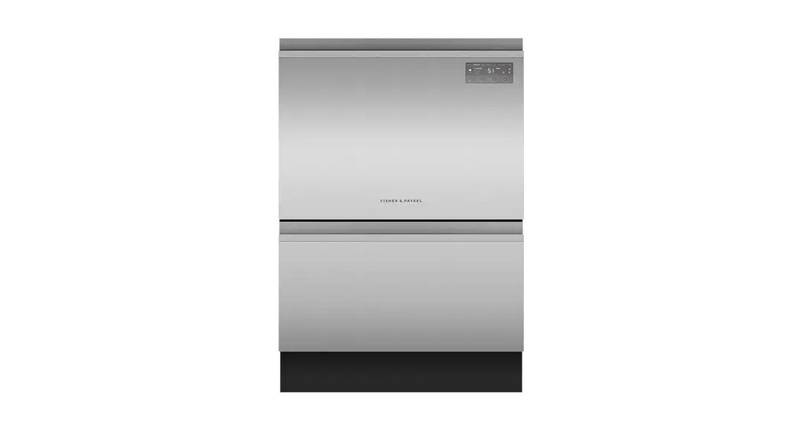
FISHER AND PAYKEL DD24DT2NX9 Contemporary Tall Dishwasher

COOKOLOGY CBID601 Dishwasher

BOSCH SMS2HTW02E Dishwasher

SIEMENS SX75EX00CS Fully Integrated Dishwasher

seasons SDW2FCMW Front Dishwasher

TESLA WDI461M Dishwasher

FISHER AND PAYKEL DD24STI9 N Tall Dishwasher

BOSCH SHX53CM5N 300 Series Dishwasher

whirlpool WFE 2B19 X Dishwasher