
TOSHIBA DW-15F5SS-AU Dishwasher


1
2
A
A
技术要求:
1.该手册印刷颜色均为黑色 :PANTONE BLACK
2.纸张规格为A5
3.如果供应商的排版需要加空白页,请加在封底之前
DKGF-SX762-2021
B
B
C
C
用户手册通用版
(WQP12-T7609T)
(
东芝
)
D
标记处数 分区 更改文件号 签 名
校对
日 期
阶 段 标 记
比 例
D
80G双胶
REV.
1:1
编
制
数
审 核
审 定
批 准
性能
排版
日期
量
重
第
量
佛山市顺德区美的
1
洗涤电器制造有限公司
1 张
共
1 张
1
2


| General | Details |
|---|---|
| Name | TOSHIBA DW-15F5SS-AU Dishwasher |
| Make | Toshiba |
| Language | English |
| Filetype | PDF (Download) |
| File size | 7.32 MB |
 (1 votes, average: 5.00 out of 5)
 Loading...

TOSHIBA DWS-22AMY(K) Dishwasher

TOSHIBA DW-08T1 Place Setting Dishwasher
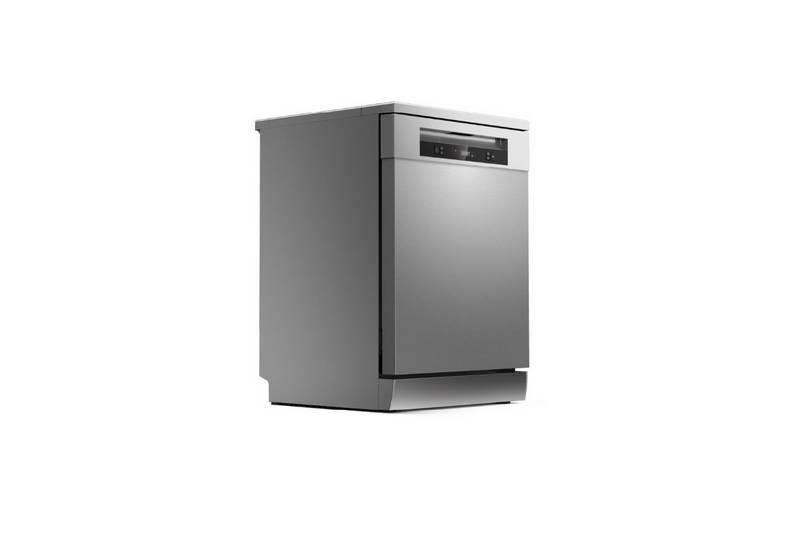
TOSHIBA DW-15F5SS-AU Dishwasher Overview
Summary of Contents
- Page 1: 技术要求: 该手册印刷颜色均为黑色: PANTONE BLACK 纸张规格为 A5 如果供应商的排版需要加空白页,请加在封底之前 用户手册通用版 (WQP12-T7609T) 标记处数分区更改文件号 签名 校对日期 阶段标记 比例
- Page 2: Dishwasher instruction manual. Model: DW-15F5(SS)-AU. Read these instructions carefully before using your dishwasher, and keep it carefully.
- Page 3: Safety instructions should be carefully read and followed to prevent serious injury or death and property damage. Warning indicates a high possibility of serious injury or death. Caution indicates a high possibility of serious injury or property loss. Serious injury requires hospitalization, lengthy treatment, or can result in blindness, burns, electric shock, broken bones, or poisoning. Injury does not require hospitalization or lengthy treatment. Property loss refers to extended loss of houses, furniture, or pets. Prohibited actions are indicated by specific symbols. Mandatory actions are also indicated by symbols. Children should not operate the dishwasher without supervision or instruction. Dismantling or modifying the dishwasher may cause fire, electric shock, or injuries.
- Page 4: Before cleaning or maintaining the dishwasher, disconnect the power plug first. Do not connect or disconnect the power plug by wet hand. Do not use damaged power lines, power plug or loose power socket. Do not damage, cut, process power line or bend, pull, twist or bind power line. Do not spray water directly onto the parts of the main body of the dishwasher. Do not put flammable materials into the dishwasher. Wipe off dust or dirt accumulated on the plug of power line. Do not touch the inside of the cabinet, steam jets during operation or 30 minutes after operation. Do not use extension cord. If there is abnormality such as the spray arm is not moving, smoke or strange smell, immediately unplug the power plug and stop using the dishwasher.
- Page 5: Insert the power plug securely to the base and let the cord go downward. If the cord goes upward or if the plug is incompletely inserted, it may cause fire due to electric leakage or heat generation. Do not operate by putting easily combustible items such as towels and cloth inside the cabinet of the dishwasher. Separate from the heat source such as gas stove 15 cm or more. Do not place anything on the main unit. Falling by opening and closing the door may cause injury. The use of dishwasher having poor drainage may cause water to flow back to the dishwasher and cause electric shock or fire. The dishwasher must be grounded. Fault connection of the grounding wire will cause electric shock. Do not change the plug without permission.
- Page 6: When disconnecting the plug from the socket, do not pull the power line by force. Pull out by grasping the power plug. Do not use soap, washing powder or other hand sanitizer. Only dishwashing powder suitable for automatic dishwasher. Do not wash plastic utensils unless they are marked safe for the dishwasher. Only for indoor use. This appliance is for household use. Do not sit or stand on the dish rack or door of the dishwasher. When the dishwasher is not used for a long time, pull off the power plug from the power socket and close the dishwasher door. It is very dangerous to open the door during washing, as hot water may cause scald. Be careful to put sharp utensils to prevent scratching the door sealing strip. Moisten a soft cloth with mild cleaning solution to wipe the machine, then dry it with a dry cloth. After washing, check if the dishwashing powder is empty and confirm there are no error notifications on the panel before using the dishwasher.
- Page 7: Quantity of tableware advised: 162 pcs (Cup x15 + Saucer x15 + Glass x15 + Dessert dishes x15 + Dinner plate x15 + Soup plate x15 + Soup spoon x15 + Fork x15 + Knife x15 + Teaspoon x15 + Dessert spoon x15). Do not strongly push open door and main body, nor put downward pressure to the door. Falling may cause injuries. Be careful not to pinch fingers when opening and closing the door. There is a risk of getting hurt while pinching fingers. Do not get close to the exhaust port. Steam or hot air may cause burns. While using or after using the dishwasher, pay attention to hot water drained out. High temperature hot water may come out, there is a risk of burns. Prohibit to hit or tap the dishwasher. Electric shock, electric leakage short circuit may cause fire. Set the filters correctly. Residues clog, causing breakdown. Do not put light and small dishes such as plastic containers. If it is dropped by water pressure of the water spray, it may cause malfunction due to clogging the dishwasher. Do not use for purposes other than dishwasher dryer. It may cause a malfunction. Make the main unit a solid level surface. Normal operation may not be possible. It may cause water leakage. Fix the connection of drainage pipe certainly. It may cause water leakage.
- Page 8: Treatments Handle the package of the dishwasher with extreme care. All packages are recyclables. The packing material may be dangerous to children. The disposal of package and machine shall be submitted to the recycle center. When the machine is not in service, please switch off the power and close the machine door. The cardboard package is made by recycled paper and shall be collected for recycling. If the generated rubbish cannot be treated properly, they will be harmful to the environment and human health. For more details of product recycle, please contact relevant departments of local government. Different refuses have to be subject to special treatment separately. Such warning sign is used to prevent dangers to you and others.
- Page 9: Please carefully read the instruction manual before using the dishwasher. Recognize the dishwasher features. Control panel. Washing program and program setting. Changing the program mid-cycle. Put additional dishes in. End of washing program. Use the dishwasher with rinse aid and detergent. Install dishwasher bowl basket and tips for basket use. Cleaning and care, including filter cleaning and spray arms cleaning.
- Page 10: Installation Product dimension Power connection Water connection Connection of drain hoses Troubleshooting Before connecting customer service center Error code Specification Product fiche
- Page 11: Recognize the dishwasher. Before using the dishwasher for the first time, read following instructions to ensure the best results. Dishwasher features include the top spray arm, lower spray arm, filter, dispenser, upper spray arm, cup rack, cutlery rack, upper basket, and lower basket.
- Page 12: Control panel Power Press this button to turn on your dishwasher. Program Select the appropriate washing program and the corresponding icon will light up. AUTO Auto sensing wash for lightly or heavily soiled crockery, with or without dried-on food. HYGIENE Use to sanitize your dishes and glassware. The highest water temperature is 75˚C. ECO This is a standard program suitable for normally soiled loads, such as pots, plates, glasses, and lightly soiled pans. GLASS For slight dirty dishes and glasses. 90 MIN For normally soiled loads that need a quick wash. RAPID For slight dirty dishes, the required cleaning time is relatively short. Delay start Touch this button to set the delayed hours for washing, up to 24 hours. Upper/Lower basket Press the button to select either upper or lower basket loaded, and the corresponding indicator will light up.
- Page 13: Select a function and the corresponding icon will light up. Extra drying is used when you want to dry your dishes more completely. It can only be used with Hygiene, ECO, Glass, 90 min. Power wash is for washing very dirty, hard to clean dishes. It can only be used with Hygiene, ECO, Glass, 90 min. Auto open allows the door to open automatically after washing for better drying effect. It opens the door when the dishwasher is turned on. Press the Function button for 3 seconds to select or cancel the auto open function. It cannot be used with Rapid. Child lock prevents children from accidentally starting the dishwasher by locking the buttons on the control panel. Only the Power button remains active. To lock or unlock the buttons on the control panel, press and hold the Alt button + Function button for 3 seconds simultaneously. Start/Pause is used to start or pause the washing process of the dishwasher. The display shows the highest temperature and length of the program when a program is selected. The water insufficient indicator means the dishwasher is low on rinse aid and requires a refill.
- Page 14: Program setting Washing program The table below shows which programs are best for the levels of food residue and how much dishwashing powder is needed. Dishwashing powder (g), Time (min), Power (kWh), Water (L), Highest water temperature. Select hygiene cycle for better drying performance. The above program data is for reference only. Test conditions are as follows: Washing capacity: 162 pcs. Power consumption at shutdown state and standby state similarly are 0.49W.
- Page 15: Start up The plug shall be firstly plugged into the socket. Power supply shall be of 220-240V AC 50Hz type, with socket of 10 A 220-240V AC. Make sure that the water supply is turned on to full pressure. Close the door, press ON/OFF button to turn on the dishwasher. Press the button of desired program, the corresponding indicator will light up. Then, press the Start/Pause button to start. Changing the program mid-cycle A wash cycle can only be changed if it has been running for a short time; otherwise, the detergent may have already been released. To reset the dishwasher, follow the instructions below: Press the Start/Pause button to pause the washing. Press the Program button for more than 3 seconds, the dishwasher will enter standby mode. Press the Program button to select the desired program.
- Page 16: Additional dishes can be placed in at any time before dishwasher program start. If you want to reload dishes in the process of washing, follow these instructions: Press “Start/Pause” button to pause washing program. Wait for 5 seconds to open the door. Put the additional dishes in. Close the door. Press “Start/Pause” button and after 10 seconds, the dishwasher will start again. After washing, the door will open automatically to achieve better drying effect. The dishwasher door must not be blocked when set to open automatically. This can disrupt door lock functionality.
- Page 17: End of washing program After the program finishes, the machine shows End after the buzzer beeps for 8 seconds. Turn off the machine Press ON/OFF button to turn off the dishwasher. Open the door carefully Hot dishes are more likely to be damaged. The dishes shall be cool for about 15 minutes and then taken out from the dishwasher. Clear the dishwasher It is normal that the dishwasher still remains wet inside. Warning It is extremely dangerous to open the door in the process of washing as this may cause severe burn by hot water.
- Page 18: Use the dishwasher Function of the rinse aid and detergent The rinse aid is released during the final rinse to prevent water from forming droplets on your dishes, which can leave spots and streaks. Only use branded rinse aid for dishwasher. Never fill the rinse aid dispenser with any other substances. The regularity of the dispenser needing to be refilled depends on how often dishes are washed and the rinse aid setting used. The Low Rinse Aid indicator will appear in the display when more rinse aid is needed. Function of detergent The chemical ingredients that compose the detergent are necessary to remove, crush and dispense all dirt out of the dishwasher. Use only detergent specifically made for dishwashers use. Keep your detergent fresh and dry. Dishwasher detergent is corrosive! Keep dishwasher detergent out of the reach of children.
- Page 19: Adding rinse aid to the dispenser involves removing the rinse reservoir cap and pouring the rinse aid into the dispenser without overfilling. After filling, close the cap. To adjust the rinse aid reservoir for better drying performance, close the door and switch on the appliance. Within 60 seconds, press the Program button for more than 5 seconds to enter the set model, indicated by a blinking rinse aid indication. Select the proper set according to your usage habits by pressing the Program button. The sets change in the sequence: D3, D4, D5, D1, D2, D3, with higher numbers indicating more rinse aid usage. If there is no operation within 5 seconds or if the Power button is pressed, the set will be saved.
- Page 20: Adding detergent to the dispenser can be done in three ways. You can open the cover by sliding it to the right, pressing down, or pressing in the release latch. Add detergent into the larger cavity for the main wash. For better cleaning results, especially with very dirty items, pour a small amount of detergent onto the door. The additional detergent will activate during the pre-wash phase. Close the flap by sliding it to the front and then pressing it down. Choose an opening method according to the actual situation.
- Page 21: Install dishwasher bowl basket Purchase dishes suitable for dishwasher. Use a suitable mild dishwashing powder. Select a washing program with a lower temperature for special appliances. Do not take out glass dishes immediately after the program ends to prevent damage. Use the dishwashing machine rationally. Clear larger food residues before placing dishes in the dishwasher. Place cups, glasses, and pots face down in the dishwasher. Do not place small objects in the dishwasher as they may fall out. Do not overload the dishwasher for better cleaning performance.
- Page 22: Glasses: 2 Cups: 2 Saucers: 1 Dinner plates: 4 Soup plates: 5 Dessert dishes: 6
- Page 23: Loading the cutlery rack is best suited for washing flatware and most cooking or serving utensils. The separators on the cutlery racks help keep flatware separated to avoid damage and improve cleaning.
- Page 24: Basket used tips Easy removal of cutlery Using the principle of crank slider mechanism, the cutlery are suspended. Convenient finger goes deep under the knife and fork, and holds several cutlery at a time. Make the most of space It can accommodate dishes such as egg beaters, cups, etc., and does not affect the upper basket. Adjust the height of the rack Loosen the four buttons on the tray and press down gently.
- Page 25: Lift the right basket up, both left and right baskets are flat. Move the right basket from right to left, two baskets are overlapping. Remove the right basket from the tray, only has the left basket.
- Page 26: Adjusting the upper basket. Lift the upper basket.
- Page 27: Page 27
- Page 28: Cleaning and care Filter cleaning The filtering system in the base of the wash cabinet retains coarse debris from the washing cycle. Check the condition of the filters regularly and clean them if necessary under running water. Do not over tighten the filters. Put the filters back in sequence securely, otherwise coarse debris could get into the system and cause a blockage. Never use the dishwasher without filters in place. Improper replacement of the filter may reduce the performance level of the appliance and damage dishes and utensils. Larger food remnants can be cleaned by rinsing the filter under running water. For a more thorough clean, use a soft cleaning brush. Reassemble the filters in the reverse order of the disassembly.
- Page 29: Spray arms cleaning It is necessary to clean the spray arms regularly for hard water chemicals will clog the spray arm jets and bearings. To clean the spray arms, follow the instructions below: To remove the upper spray arm, hold the nut in the center still and rotate the spray arm counterclockwise to remove it. To remove the lower spray arm, pull out the spray arm upward. Wash the arms in soapy and warm water and use a soft brush to clean the jets. Replace them after rinsing them thoroughly.
- Page 30: Care and maintenance The door and the door seal Clean the door seals regularly with a soft damp cloth to remove food deposits. Food and drink residues may drip onto the sides of the dishwasher door. These surfaces are outside the wash cabinet and are not accessed by water from the spray arms. The control panel Control panel can be wiped with a slightly wet cloth. Do not use sharp tools, scratch sponge, or rough detergent anywhere in the machine. Do not use spray detergent to clean the door, as it may damage the door lock and other electrical components. Do not use abrasives or rough paper towels, as it may leave scratches or spots on stainless steel surface.
- Page 31: Installation Product dimension Height (H) Width (W) Depth (D1) Depth (D2) 845mm 598mm 600mm (with the door closed) 1175mm (with the door opened 90°) Warning Electric shock
- Page 32: Power connection Do not use an extension cord or power adapter on this machine. In case, do not cut off or remove the grounding connection of power cord. Power requirements Please check the label of rated value of power supply system for knowing rated voltage and connect the machine to appropriate power supply. This appliance must be earthed. Water connection Connect the cold water supply hose to a threaded 3/4(inch) connector and make sure that it is fastened tightly in place. If the water pipes are new or have not been used for an extended period of time, let the water run to make sure that the water is clear. Clean the filter device of the water inlet pipe. It is recommended to check the status every month, remove the filter from the water inlet pipe by using a plier and clean impurities with running water when necessary.
- Page 33: Connection of drain hoses Insert the drain hose into a drain pipe with a minimum diameter of 4 cm, or let it run into the sink, making sure to avoid bending or crimping it. The height of the drain pipe must be less than 1000mm. The free end of the hose must not be immersed in water to avoid backflow. Please securely fix the drain hose in either position A or position B. If the sink is 1000mm higher from the floor, the excess water in hoses cannot be drained directly into the sink. It will be necessary to drain excess water from hoses into a bowl or suitable container that is held outside and lower than the sink. The drain hose must be correctly fitted to avoid water leaks. Ensure that the water drain hose is not kinked or squashed. If you need a drain hose extension, make sure to use a similar drain hose. The waste connection must be at a height less than 100 cm from the bottom of the dish.
- Page 34: Troubleshooting Before connecting customer service center, please check the chart below. Problem: Fuse burn-out or circuit trip. Possible cause: The machine is not working. Solutions: Replace fuse or reset circuit breaker. Make sure that dishwasher is on and properly plugged into the socket. Close the door. Problem: Drainage pipe has a knot or is blocked. Possible cause: Sink drain is blocked. Solutions: Check the drainage pipe. Check the sink drain to ensure good drainage. Problem: Improper dishwashing powder is used. Solutions: In order to avoid foaming, only dishwashing powder specially designed for dishwasher can be used. Problem: Foam remains in liner. Solutions: Use dishwashing powder with coloring agent. Make sure that dishwashing powder used is free of coloring agent. Problem: Hard water minerals. Solutions: Use a wet sponge with dishwashing powder and wear rubber gloves for interior cleaning. Problem: Rust on dishes. Solutions: Avoid washing dishes that are easily corroded in the dishwasher. Problem: Dishes in the rack prevent spray arm from rotating. Solutions: Suspend the program and reposition the dishes that prevent spray arm from rotating.
- Page 35: Problem: Dishes are loose. Possible cause: Dishes are not placed correctly. Solutions: Suspend the program and reposition the dishes. Noise from dishwasher: This may be caused by site installation or cross section beats in water pipe. Dishes remain dirty after washing: Reposition the dishes so that spray arm can rotate freely. Filter assembly is dirty or not properly installed on the base, which may impede the rotation of spray arm. Glassware is not glossy: Hard water produces more scale. Black or grey imprints on dishes: Friction between aluminum utensil and dishes. Dishwashing powder remains in adding position: Placement of dishes hinders the addition of dishwashing powder. Dishes are not completely dry: When shorter washing procedures are used, washing temperature is lower.
- Page 36: Error code will appear to remind you when failure occurs. E1 indicates long water intake time. Possible causes include flow-meters, drain valves, or pump failures. Heating pipe or thermistor may be in an abnormal state and requires a qualified serviceman for repair. E3 signifies overflow or issues with the floater in the water tank. E4 indicates an abnormal communication issue. Repairs for these errors should be conducted by a qualified serviceman.
- Page 37: Model: DW-15F5(SS)-NZ Dimensions: 598 (W) x 845 (H) x 600 (D) mm Rated voltage: 220-240V Rated frequency: 50Hz Rated power: 1760-2100W Water consumption: 13.2 L Power consumption: 0.75 kWh Control mode: Electronic type Washing capacity: 162 pcs Total weight: 50 kg Net weight: 44.5 kg
- Page 38: Product fiche Manufacturer: TOSHIBA Model: DW-15F5(SS)-AU Type/Description: Standard place settings Energy efficiency class: 3.5 Water consumption class: Standard cleaning cycle Energy consumption of the standard cleaning cycle: 0.75 kWh Water consumption of the standard cleaning cycle: 13.2 liter Program duration of the standard cleaning cycle: 190 min Noise level: 47 dB(A) re 1 pW Power consumption: 1760-2100W

IKEA MEDELSTOR Dishwasher

BOSCH SMS2HMW04E-30 Dishwasher
FISHER PAYKEL DD24SDFTX9 N Tall Single DishDrawer Dishwasher

Whirlpool DU1014XTXQ Dishwasher

FISHER AND PAYKEL DD24SCTX9 N Dish Drawer Dishwasher

FISHER PAYKEL DD60D2NX9 Dishwasher

Miele PFD 101 U Built Under Dishwasher

GAGGENAU DF480801 Dishwasher

SIEMENS SN65HX01VI Dishwasher

Haier HDW15F3S1 Dishwasher