
Whirlpool DU850SWP Dishwasher





®
DISHWASHER USER INSTRUCTIONS
THANK YOU for purchasing this high-quality product. If you should experience a problem not covered in TROUBLESHOOTING,
please visit our website at www.whirlpool.com for additional information. If you still need assistance, call us at 1-800-253-1301. In
You will need your model and serial number located near the door on the right-hand or left-hand side of the dishwasher interior.
Para obtener acceso a “Instrucciones para el usuario de la lavavajillas” en español, o para información adicional de su producto
visite : www.whirlpool.com
Tenga listo su número de modelo completo. Puede encontrar su número de modelo y de serie en la etiqueta ubicada cerca de la
puerta al lado derecho o izquierdo del interior de la lavavajillas.
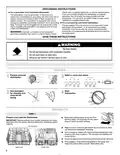
Dishwasher Safety
Your safety and the safety of others are very important.
We have provided many important safety messages in this Quick Reference Guide and on your appliance. Always read and obey
all safety messages.
This is the safety alert symbol.
This symbol alerts you to potential hazards that can kill or hurt you and others.
All safety messages will follow the safety alert symbol and either the word “DANGER” or “WARNING.”
These words mean:
You can be killed or seriously injured if you don't immediately
follow instructions.
DANGER
You can be killed or seriously injured if you don't
instructions.
follow
WARNING
All safety messages will tell you what the potential hazard is, tell you how to reduce the chance of injury, and tell you what can
happen if the instructions are not followed.
IMPORTANT SAFETY INSTRUCTIONS
WARNING: When using the dishwasher, follow basic precautions, including the following:
■
■
■
Read all instructions before using the dishwasher.
■
Do not tamper with controls.
Use the dishwasher only for its intended function.
■
Do not abuse, sit on, or stand on the door, lid, or dish racks
of the dishwasher.
Use only detergents or rinse agents recommended for use in
a dishwasher, and keep them out of the reach of children.
■
■
To reduce the risk of injury, do not allow children to play in
or on the dishwasher.
■
When loading items to be washed:
Under certain conditions, hydrogen gas may be produced in
a hot water system that has not been used for two weeks or
more. HYDROGEN GAS IS EXPLOSIVE. If the hot water
system has not been used for such a period, before using
the dishwasher turn on all hot water faucets and let the
water flow from each for several minutes. This will release
any accumulated hydrogen gas. As the gas is flammable,
do not smoke or use an open flame during this time.
1) Locate sharp items so that they are not likely to damage
the door seal; and
2) Load sharp knives with the handles up to reduce the risk
of cut-type injuries.
■
Do not wash plastic items unless they are marked
“dishwasher safe” or the equivalent. For plastic items not so
marked, check the manufacturer's recommendations.
■
■
Do not touch the heating element during or immediately after
use.
■
Remove the door or lid to the washing compartment
when removing an old dishwasher from service or
discarding it.
Do not operate the dishwasher unless all enclosure panels
are properly in place.
SAVE THESE INSTRUCTIONS
W10130987A


| General | Details |
|---|---|
| Name | Whirlpool DU850SWP Dishwasher |
| Make | Whirlpool |
| Language | English |
| Filetype | PDF (Download) |
| File size | 0.64 MB |
 (1 votes, average: 5.00 out of 5)
 Loading...

Whirlpool 2B19 Dishwasher

Whirlpool WFO3O33PLAUS Standard Dishwasher

Whirlpool W11323304G Dishwasher

Whirlpool WH7IPC15BM60 Dishwasher

Whirlpool FINPUTSAD Dishwasher

Whirlpool W7U HS31 X Dishwasher

Whirlpool Thron Dishwasher

Whirlpool WDF332PAMS 24 Front Tall Tub Dishwasher

Whirlpool WRF540CWHZ Dishwasher

Whirlpool WDF130PAHB Dishwasher

Whirlpool DU850SWP Dishwasher Overview
Summary of Contents
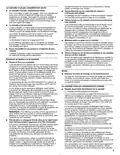
- Page 1: Dishwasher user instructions Thank you for purchasing this high-quality product. Your safety and the safety of others are very important. This is the safety alert symbol. All safety messages will follow the safety alert symbol and either the word “DANGER” or “WARNING.” You can be killed or seriously injured if you don't immediately follow instructions. When using the dishwasher, follow basic precautions, including the following: Read all instructions before using the dishwasher. Use only detergents or rinse agents recommended for use in a dishwasher. To reduce the risk of injury, do not allow children to play in or on the dishwasher. Do not wash plastic items unless they are marked “dishwasher safe” or the equivalent.
- Page 2: Grounding instructions are essential for safety. Check with a qualified electrician if unsure about proper grounding. Do not modify the plug; have a proper outlet installed if needed. The dishwasher must be grounded to reduce the risk of electric shock. For permanently connected dishwashers, ensure proper grounding with the wiring system. Improper connection of the equipment-grounding conductor can result in electric shock. Do not use the dishwasher until it is completely installed. Avoid pushing down on an open door to prevent injury. Ensure nothing obstructs the spray arm for effective cleaning. Load items with soiled surfaces facing down and inward for optimal results.
- Page 3: To avoid thumping or clattering noises during operation, load dishes so they do not touch one another. Your dishwasher is designed to use rinse aid for good drying performance. Without rinse aid, your dishes and dishwasher interior will have excessive moisture. Rinse aid keeps water from forming droplets that can dry as spots or streaks. Use automatic dishwashing detergent only. Select a cycle based on the soil level of the dishes. The amount of detergent to use depends on how much soil remains on the items. A high temperature option boosts the water temperature high enough to enhance cleaning. A heated dry option should be used for the best drying of dishes. Run hot water at the sink nearest your dishwasher until the water is hot before starting a cycle.
- Page 4: Dishwasher care includes cleaning the exterior with a soft cloth and mild detergent. For stainless steel exteriors, a stainless steel cleaner is recommended. Check and clean the drain air gap if the dishwasher isn't draining well. Do not clean the interior until it has cooled. Use a paste of powdered dishwasher detergent and water or liquid detergent on a damp sponge for interior cleaning. If not using the dishwasher during summer, turn off the water and power supply. In winter, avoid water damage by having the dishwasher winterized if exposed to freezing temperatures. Periodically clean the filter screen located on the bottom of the tub. A white vinegar rinse may help remove white spots and film, but using it too often could damage the dishwasher. The first wash cycle after installation includes additional rinses for sensor adjustment and must not be interrupted. If the dishwasher does not run, check if the door is closed tightly, the right cycle is selected, and if there is power to the dishwasher.
- Page 5: Brown stains on dishes and dishwasher interior may indicate high iron content in water. Rewash dishes using citric acid crystals without detergent, followed by a normal wash cycle with detergent. Dishes do not dry completely if rinse aid is not used. The heat dry option performs poorly without rinse aid. Black or gray marks on dishes may result from aluminum items rubbing against them. Hand wash aluminum items and remove markings with a mild abrasive cleaner. Orange stains on plastic dishes may occur from using an air-dry option instead of a heated drying option. Stains from tomato-based foods may require a stain removal product. Excess moisture on racks can be checked by the rinse aid indicator. Grinding or buzzing noises may indicate a hard object in the wash module. If noise persists, service may be needed. Food soil left on dishes can result from incorrect loading or insufficient water temperature. For best results, water should be 120°F (49°C) when entering the dishwasher. Silica film or etching on glassware may be caused by a reaction with soft water and alkaline washing solutions. This may not be avoidable except by hand washing. Dishes may chip if not loaded properly. Ensure stability to minimize chipping during washing. White spots on nonstick cookware may indicate that the detergent has removed the seasoning. Reseason cookware after washing.
- Page 6: Whirlpool Corporation major appliance warranty One year limited warranty For one year from the date of purchase, Whirlpool will pay for factory specified parts and repair labor to correct defects in materials or workmanship. This limited warranty applies only when the major appliance is used in the country in which it was purchased. Items Whirlpool will not pay for include service calls to correct installation, repairs for consumable parts, and damages resulting from misuse or accidents. Customer's sole and exclusive remedy under this limited warranty shall be product repair as provided herein. Implied warranties are limited to one year or the shortest period allowed by law. Whirlpool shall not be liable for incidental or consequential damages. This warranty gives you specific legal rights, which may vary from state to state or province to province. Outside the 50 United States and Canada, this warranty does not apply.
- Page 7: instructions d'utilisation du lave-vaisselle Nous vous remercions d'avoir acheté ce produit de haute qualité. Votre sécurité et celle des autres est très importante. Assurez-vous de toujours lire tous les messages de sécurité et de vous y conformer. Voici le symbole d’alerte de sécurité. Tous les messages de sécurité suivront le symbole d’alerte de sécurité et le mot “DANGER” ou “AVERTISSEMENT”. Risque possible de décès ou de blessure grave si vous ne suivez pas les instructions. Lors de l’utilisation du lave-vaisselle, suivre les précautions élémentaires. Ne pas faire fonctionner le lave-vaisselle si tous les panneaux de l’enceinte ne sont pas en place. Sous certaines conditions, de l’hydrogène peut se former dans un réseau d’eau chaude inutilisé depuis deux semaines ou plus.
- Page 8: Instructions de mise à la terre Pour un lave-vaisselle relié à la terre, branché avec un électricien compétent si vous avez des doutes sur la mise à terre. Le lave-vaisselle doit être relié à la terre pour réduire le risque de choc électrique. La fiche doit être branchée sur une prise appropriée, installée et reliée à la terre conformément aux codes locaux. La connexion incorrecte du conducteur pour relier les appareils à la terre peut causer un risque de choc électrique. Ne pas utiliser le lave-vaisselle jusqu’à ce qu’il soit complètement installé. Ne pas appuyer sur la porte ouverte pour éviter des blessures graves. Étapes rapides : préparer et charger le lave-vaisselle, sélectionner un programme, ajouter du détergent, mettre le lave-vaisselle en marche. Enlever les restes alimentaires et les étiquettes des récipients avant de les laver. Vérifier que rien n'empêche le bras d'aspersion de tourner librement. Charger les articles en orientant la surface sale vers l'intérieur pour optimiser l'efficacité de nettoyage.
- Page 9: Les agents de rinçage empêchent l'eau de former des gouttelettes qui peuvent sécher en laissant des taches ou coulées. Pour éviter les bruits de choc et d'entrechoc durant le fonctionnement, charger la vaisselle pour que les articles ne se touchent pas les uns les autres. Examiner la zone centrale du bouchon du distributeur d'agent de rinçage. La transparence indique un besoin de remplissage. Lors du chargement des couverts, toujours charger les articles acérés pointés vers le bas et éviter d'imbriquer les articles. Utiliser uniquement du détergent pour lave-vaisselle automatique. Verser le détergent juste avant de démarrer un programme. Pour l'obtention de meilleurs résultats, un détergent à lave-vaisselle automatique frais est meilleur. Un rinçage empêche les débris alimentaires de sécher sur la vaisselle et réduit les odeurs dans votre lave-vaisselle. La quantité de détergent à utiliser dépend du degré de saleté de la vaisselle et de la dureté de l'eau. Une option de température élevée augmente suffisamment la température de l’eau pour améliorer le nettoyage. Votre lave-vaisselle est conçu pour utiliser un agent de rinçage pour un séchage satisfaisant.
- Page 10: Entretien du lave-vaisselle Ajouter 2 tasses de vinaigre blanc dans le panier inférieur et faire exécuter un programme de lavage complet sans détergent. Nettoyer l'extérieur avec un linge doux et un détergent doux, en utilisant un nettoyant pour acier inoxydable si nécessaire. Ne pas nettoyer les surfaces internes avant qu'elles aient refroidi. Vérifier et nettoyer le dispositif anti-refoulement si le lave-vaisselle ne se vidange pas bien. Si le lave-vaisselle n'est pas utilisé pendant l'été, couper l'arrivée d'eau et l'alimentation électrique. Faire hivériser le lave-vaisselle par un technicien si exposé à des températures proches du gel. Essayer les solutions suggérées ou consulter les FAQ pour éviter le coût d'une visite de service. Le lave-vaisselle ajuste les programmes de lavage en fonction de la température de l'eau et du degré de saleté. Vérifier que la porte est bien fermée et que le bon programme est sélectionné. Un résidu blanc peut indiquer une utilisation excessive de détergent.
- Page 11: La vaisselle n'est pas complètement sèche. Utiliser un agent de rinçage pour un meilleur rendement de séchage. L'eau comporte-t-elle une concentration de fer élevée? Laver de nouveau la vaisselle après avoir versé des cristaux d'acide citrique. Ne pas charger excessivement le lave-vaisselle pour permettre un drainage adéquat. Utiliser une option de séchage avec chaleur pour une vaisselle plus sèche. Contrôler l'indicateur d'agent de rinçage pour s'assurer qu'il y a de l'agent de rinçage dans le distributeur. Utiliser un programme plus intense pour les niveaux de saleté plus intense. La température de l'eau doit être à 120°F (49°C) pour de meilleurs résultats de lavage. Utiliser uniquement les détergents recommandés pour lave-vaisselle.
- Page 12: Écaillage de la vaisselle Les antiquités, le cristal très mince et certains types de faïence et de verre peuvent être trop délicats pour le lavage automatique. Laver manuellement. A-t-on chargé le lave-vaisselle correctement? Charger la vaisselle et les verres de telle manière qu'ils soient stables. Garantie des gros appareils ménagers Whirlpool Corporation Garantie limitée de un an. Whirlpool paiera pour les pièces spécifiées par le fabricant et la main-d'œuvre pour corriger les vices de matériaux ou de fabrication. Whirlpool ne prendra pas en charge les visites de service pour rectifier l'installation du gros appareil ménager. Les réparations lorsque le gros appareil ménager est utilisé à des fins autres que l'usage unifamilial normal ne sont pas couvertes. Le coût des pièces de rechange et de la main-d'œuvre pour les appareils utilisés hors des États-Unis ou du Canada n'est pas couvert. Les garanties implicites, y compris les garanties applicables de qualité marchande et d'aptitude à un usage particulier, sont limitées à un an. Cette garantie ne s'applique pas à l'extérieur du Canada et des 50 États des États-Unis.

GE APPLIANCES GD*650-670 Series Interior Dishwasher

BOSCH SMV4HCX52E-39 Dishwasher

BOSCH SMI6ZCS16E Dishwasher

BOSCH SPS2HKI42E Dishwasher

architecto SPV5939st Dishwasher

BOSCH SMS6ECI11E-01 Free-standing Dishwasher

Miele PLW 8683 Laboratory Dishwasher

ASKO DFI766UXXL.AU Dishwasher

Magic Chef MCSCD6W3 Countertop Dishwasher

IKEA RENODLAD Integrated Dishwasher