
beko BDFN26450A Dishwasher










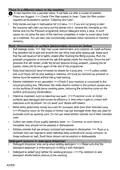

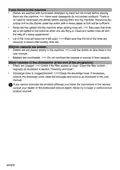


Dishwasher
User’s Manual
BDFN...
DFN...
FGS...
15 2632 0100_AA_BEKO_B7_EN/ 07-05-24.(10:48)

| General | Details |
|---|---|
| Name | beko BDFN26450A Dishwasher |
| Make | Beko |
| Language | English |
| Filetype | PDF (Download) |
| File size | 13.79 MB |
 (1 votes, average: 5.00 out of 5)
 Loading...

beko DUT25401WHW Front Pocket Handle Dishwasher

beko BDIN38522Q Dishwasher

beko BDFS26046XQ Dishwasher

beko BDFN26521XQ Dishwasher

NMG0724BEKODI Dishwasher

beko 943711 Dishwasher

beko DIN15210 Full-Size Dishwasher

beko 57 6190 0000 Tall Tub Dishwasher

beko BDIN38650C Dishwasher

beko DDS25842X Dishwasher
beko BDFN26450A Dishwasher Overview
Summary of Contents
- Page 1: Dishwasher User’s manual
- Page 2: Dear customer, please read this user manual before using the product. Thank you for choosing this Beko product. Follow all warnings and information in the user manual to protect yourself and your product against potential dangers. Keep the user manual and hand it over with the product if you give it to someone else. The following symbols are used in the user manual and on the packaging: Danger that may result in death or injury. Danger that may result in damage to the product or its surroundings. Important information or useful hints about usage. This product was manufactured using the latest technology in environmentally friendly conditions.
- Page 3: Safety instructions Intended use Safety for children, vulnerable persons and pets Electrical safety Transportation safety Installation safety Operational safety Maintenance and cleaning safety Program selection / program cancel key Preparation of the machine
- Page 4: This product must be used for domestic type dishes only. This product is not suitable for commercial or collective use. This section contains safety instructions that will help get protected against risks of personal injury or property damage. The service life of your product is 10 years. Installation and repair procedures must always be performed by the manufacturer, authorised service agent or a qualified person specified by the importer. This product can be used by children at and above 8 years old and by persons whose physical, sensory or mental capabilities were not fully developed or who lack experience and knowledge provided that they are supervised or trained on the safe usage of the product. Children below the age of 3 must be kept away from the product unless they are continuously supervised. Only use original parts and accessories. Do not repair or replace any part of the product unless specified expressly in the user manual. This product is designed to be used in houses and indoor places.
- Page 5: Door should not be left in the open position since this could present a tripping hazard. Do not use extension cords, multi-sockets or adapters to operate the product. Cleaning and maintenance works should not be performed by children unless they are supervised. Plug must be easily accessible. Keep packaging materials away from children to avoid the risk of injury and suffocation. Store all detergents and additives used with the product in a safe place away from children. For children's safety, cut the power cable and break the locking mechanism before disposing of the product. Before transporting the product, unplug it and disconnect its drain and water supply connections. The product must be unplugged during installation, maintenance, cleaning, repairing, and moving procedures. If the power cable is damaged, it must be replaced by a qualified person.
- Page 6: Make sure that the hoses do not get kinked, squeezed or crushed while placing the product into its location after installation or cleaning procedures. Do not install the product close to heat sources or under the cooking area of a hob. If the product is going to be used inside a wardrobe, keep the doors open during operation in cases where there are no openings to provide sufficient air circulation. Plug the product in a grounded socket protected by a fuse with current. Have the grounding installation made by a qualified electrician. Do not use the product without having the grounding made as per local/national regulations. Do not plug the product in sockets that are loose, dislocated, broken, dirty, greasy or bear the risk of getting in contact with water. Prior to installation, check if the product has any defects on it. Do not install the product in environments where the temperature falls below 0ºC. Place the product on a clean, flat and solid surface and balance it with adjustable feet.
- Page 7: You must use the new hose set provided with the product. Do not reuse the old hose set. When you pull the upper and lower baskets out completely, the door of the product will bear all the weight of the baskets. Connect the water inlet hose directly to the water tap. Pressure coming from the tap should be 0.03 MPa (0.3 bars) minimum and 1 MPa (10 bars) maximum. To prevent possible injuries, always place the sharp and pointed dishes upside down. Open the door of the product carefully if you need to do so when the product is running. Do not start the broken or damaged product. Only dishwasher safe detergents, rinse aids and additives must be used. The wash-water inside the product is not potable. Avoid letting detergents get into contact with skin and eyes and keep children away from the product when its door is open.
- Page 8: Environmental instructions Do not climb on the product. Unplug the product and close the tap if you are not going to use it for a long time. This product complies with EU WEEE Directive (2012/19/EU). This symbol indicates that this product shall not be disposed with other household wastes at the end of its service life. Used device must be returned to official collection point for recycling of electrical and electronic devices. Appropriate disposal of used appliance helps prevent potential negative consequences for the environment and human health. Do not wash the product by spreading or pouring water onto it. Do not use sharp or abrasive tools when cleaning the product. Do not forget to install the product’s filter back after you have cleaned it. The product you have purchased complies with EU RoHS Directive (2011/65/EU).
- Page 9: Packaging materials of the product are manufactured from recyclable materials in accordance with our National Environment Regulations. Do not dispose of the packaging materials together with the domestic or other wastes. Take them to the packaging material collection points designated by the local authorities.
- Page 10: Note for test institutions: Technical specifications Data required for performance tests shall be provided upon request. Maximum washing capacity (check the energy label and Programme data and average consumption values table given on Quick Guide). Compliance to standards and test data/EC declaration of conformity Development, production and sales stages of this product comply with the safety rules included in all pertaining European Community regulations. Power input: 220-240 V, 50 Hz. Total power: 1800-2100 W. Water Pressure 0.3 –10 bar. Technical specifications may be changed without prior notice to improve the quality of the product. Figures in this manual are schematic and may not match the product exactly. Values stated on the markings of the product or in the printed documents accompanying the product are obtained in the laboratory on basis of the relevant standards.
- Page 11: Your dishwasher Overview Upper basket Upper impeller Lower impeller Cutlery basket (depends on model) Door Rating label Control panel Detergent dispenser Lower basket
- Page 12: Appropriate installation location Read “Safety Instructions” section first. Installation procedures must always be performed by the manufacturer, authorised service agent or a qualified person specified by the importer. Make sure that you select a location that will allow you to load and unload the dishes in a fast and comfortable manner. Place the product on a solid and flat floor that has sufficient load carrying capacity. Preparation of the location and electrical, tap water and waste water installations at the place of installation is under customer's responsibility. Do not install the product at places where temperature may fall below 0ºC. Prior to installation, check if the product has any defects on it. If the product is damaged, do not have it installed. Install the product at a place close to the tap and the drain hole. We recommend installing a filter at the water inlet in order to prevent dirt from damaging the machine or the dishes.
- Page 13: Permitted water temperature: up to 25°C (60°C for products equipped with Aquasafe+). The dishwasher may not be connected to open warm water devices or flow-through water heaters. The Aquasafe+ system protects against water leaks that may occur at the hose inlet. Water contact with the valve box of the system must be avoided to prevent damage to the electrical system. Do not use an old or used water inlet hose on the new product. Connect the water inlet hose directly to the water tap. Pressure coming from the tap should be 0.3 bars minimum and 10 bars maximum. The water supply and draining hoses must be securely fastened and remain undamaged. Open the taps completely after making the connections to check for water leaks. If the Aquasafe+ system is damaged, unplug the product and call the authorised service agent.
- Page 14: Connection to the drain Water discharge hose can directly be connected to the drain hole or sink’s drainage. Connect the product to a grounded outlet protected by a fuse complying with the values in the technical specifications table. Connection must comply with national regulations. Power cable plug must be easily accessible after installation. Plug in the product to a grounded socket which is protected by a fuse of 10 Amperes. The specified voltage must be equal to your mains voltage. Do not make connections via extension cables or multi-plugs. Damaged power cables must be replaced by the authorised service agent. Drain pipe must be connected to the sewage system and it should not be connected to any surface water. If the door of the product cannot be closed properly or if the product rocks when you push it slightly, then you need to adjust the feet of the product.
- Page 15: Read “Quick Guide - Adjusting Water Softening System” before this section. The regeneration of the water softening system can be done in all programmes during the drying step. When regeneration occurs, duration, energy, and water consumption of the programme increase. The product is equipped with a water softening system which reduces the hardness of incoming water. This system softens the supply water to a level that will allow washing the dishes with the required quality. The mains water hardness must be softened if it is over 7°dH. Hardness ions will accumulate on the dishes that are washed and may affect the washing, rinsing, and drying performances of the machine. Washing performance will increase when the water softening system is adjusted properly. Following information will help you use the product in an ecological and energy-efficient manner. Washing tableware in a household dishwasher usually consumes less energy and water in the use phase than hand dishwashing when used according to the manufacturer’s instructions.
- Page 16: Adding salt is essential for the water softening system to operate continuously at optimal performance. Use only special softening salts designed for dishwashers. About 2 kg of softening salt can be added to the salt reservoir. Granule- or powder-formed softening salts are recommended; avoid table salt or rock salt. Replace and tighten the lid after filling the reservoir. Add salt right before starting the machine to prevent corrosion. The salt indicator may remain on for a while after adding salt due to varying dissolution times. Detergents can be in powder, liquid/gel, or tablet form, specifically made for dishwashers. Avoid detergents with chlorine and phosphate as they can harm the environment. Liquid detergents without chlorine may not effectively remove tea and coffee stains. Add 1 liter of water to the salt reservoir only during initial use. Use a salt funnel to fill the reservoir and stir to speed up salt dissolution.
- Page 17: Do not put solvents into the detergent dispenser. There is the risk of explosion. Put the detergent into the detergent dispenser just before operating the machine. Push the latch to the right to open the detergent dispenser lid. Put the suggested amount of powder, liquid/gel, or tablet detergent in the reservoir. Inside the detergent dispenser, there are level markings that help you use the appropriate amount of powder detergent. When brimful, the detergent dispenser will contain 45 cm³ of detergent. Fill detergent up to 15 cm³ or 25 cm³ level marks according to the fullness of the machine and/or soiling degree of the dishes. One tablet is enough if you are using detergent tablets. Use powder or liquid/gel detergent in short programmes without prewash. The solubility of the tablet detergent changes depending on the temperature and time.
- Page 18: After the empty washing cycle, review the user manual and readjust the water hardness level to suit the water supply. In addition to conventional tablet detergents, there are commercially available detergent tablets that show water softening salt and/or rinse aid effect. Some types of these detergents contain special-purpose components such as glass and stainless steel protectors. Water softening salt and rinse aid must also be used together with the detergent if the water hardness level is above 21°dH. The rinse aid used in dishwashers is a special combination that aims to increase drying efficiency and prevent water or lime stains on the washed items. Care must be paid to have rinse aid in the rinse aid reservoir and to use rinse aids produced specially for dishwashers only. The best washing performance in dishwashers is obtained by using detergent, rinse aid, and water softening salt individually. Observe the instructions of the detergent manufacturer on the package when using tablet detergents. Contact the detergent manufacturer if your dishes are wet and/or if you notice limescale spots particularly on your glasses after the washing programme. When switching to powder detergent from tablet detergent, make sure that salt and rinse aid reservoirs are full.
- Page 19: Slightly press the point of the reservoir lid to close it. Decorative prints of chinaware and aluminium and silver items may get discoloured or tarnished after washing in the dishwasher. Some delicate glass types and crystals may become dull over time. It is recommended to check if the tableware is suitable for washing in the dishwasher. If there are stains on tableware items after washing, the level must be increased. Placing the dishes in an orderly way optimizes energy consumption and washing performance. Wipe away any coarse food remnants on the dishes before placing them in the dishwasher. Place heavily soiled and bigger items in the lower basket and smaller, delicate items in the upper basket. Never wash dishes soiled by cigarette ash, candle remnants, or chemicals in your dishwasher. Always place sharp and pointed dishes upside down to prevent injuries.
- Page 20: Suggestions for loading the dishwasher. Improper loading of dishware. Lower basket. Upper basket.
- Page 21: Cutlery basket is designed to wash your dishes such as knife, fork, spoon, etc. in an efficient manner. Since the cutlery basket can be moved, you can create more space while placing your dishes in the lower basket and free up space for your dishes of different sizes.
- Page 22: Collapsible lower basket tines are designed for easier placement of large pieces such as pans and bowls. You can create larger spaces by folding each tine individually or all of them at once. To bring the collapsible tines into horizontal position, grab the tines from mid position and push them in the direction of arrows. To bring the tines back to vertical position, just lift them up. Collapsible tines will click into the latch again when returned to vertical. Bringing the tines to the horizontal position by holding them from the tips may cause them to bend. It is appropriate to bring the tines to horizontal or vertical position by holding them from their stems.
- Page 23: SoftTouch Accessory The Soft Touch Accessory found in the lower basket of your machine enables a safe washing for your fragile glasses. Use the supports to wash trays in the bottom basket. See the Auxiliary functions section for appropriate programme and function selection. Lower Basket Glass Holder Lower Basket Glass Holder found in the lower basket of your machine enables a safe washing for your oversized and tall glasses.
- Page 24: To close the racks, fold the rack and slide it up. This accessory located at the lower basket allows you to easily wash pieces such as extra glasses and long ladles. Put the rack in a vertical position and slide it down to lock it by the tabs. You may open the racks in the same process in reverse order. To adjust the height of the racks, fold the rack and slide it up. Open the rack at the desired level. You may use the racks as required by moving them to lower or upper positions or closing them to create a wider space. Make sure that the impeller does not touch the dishes placed on the racks.
- Page 25: Lower basket bottle wire is designed for easier washing of long pieces with wide mouths. You may take out the bottle wire from the basket when not in use by pulling it out from both sides. This accessory located at the upper basket allows you to easily wash pieces such as extra long ladles and bread knives. You can lift up the upper basket multipurpose service rack to remove it if you do not want to use it. You can easily attach the upper basket multipurpose service rack to the side section of your upper basket.
- Page 26: Bottle and dish holder on the lower basket is designed to facilitate washing dirty kitchenware with narrow openings and with greater height. After bringing the foldable wires to horizontal position, you may place your bottles on the bottle holders. Secure your bottles by clamping them with the bottle holder clip. Use the lower and upper parts of the height adjustable racks in the upper basket by sliding them down or up according to the heights of the glasses or cups. When you bring the foldable wire to vertical position, you may place your dishes without removing the holders. Bringing the wires to horizontal position by holding them from their ends may cause them to be bent. It is advisable to bring the wires to horizontal or vertical position by holding them from their bottom.
- Page 27: Adjusting the height of the upper basket depends on the model. The upper basket height adjustment mechanism allows for creating wide spaces in the machine. You can use the basket in three different positions: lower, center, or upper. To lower the basket, hold the wires and raise the handle of the mechanism while at the uppermost position. The movement mechanism may not work properly if the upper basket is overloaded or unbalanced. To raise the basket, hold the wires and pull the basket upwards while at the lowermost position. Release the basket when it catches on to the next upper position with a Click. Ensure that the adjustment mechanisms on both sides of the upper basket are aligned. Repeat the same operation if the height is not adequate. The basket can be adjusted either while it is empty or full.
- Page 28: Tray washing support is dependent on the model. You may use the tray washing supports to wash a tray on your lower basket. Refer to the Additional Functions section to select the proper program and function. You may fold this part when not in use to facilitate the placement of your dishes. The upper basket multi-function service rack allows for easy loading and washing of long service-ware and kitchen-ware. Wineglass securing compartments on the front side of this accessory allow for easier placement of stemware. You may remove the upper basket multi-function service rack by lifting it upwards when not in use. The tray washing supports shall be removed for performance inspection tests as per the standards. You may reinstall the upper basket multi-function service rack easily on the side of your upper basket.
- Page 29: Collapsible upper basket wires You can use collapsible wires when you need a larger space for your dishes in the upper basket of your machine. To bring the collapsible wires into horizontal position, grab the wire from the middle position and push them in the direction of the arrow in the figure. Place your larger dishes into the area created. To bring the wires back to vertical position, just lift them up. In this model, the height setting of the upper basket may be changed using the wheels which are mounted at two different heights. Release the latches on both the right and left tracks of the upper basket by pushing them outwards. Pull the basket out completely. Place the basket back into the tracks at the desired height. Push the latches back into the correct position. Bringing the wires to the horizontal position by holding them from the tips may cause them to bend.
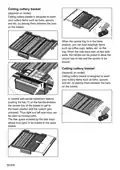
- Page 30: Ceiling cutlery basket is designed to wash your cutlery items such as forks, spoons, etc. by placing them between the bars on the basket. When the central tray is in the lower position, you can load long/high items such as coffee cups, ladles, etc. on the tray. When the side trays lean on two side walls, the handle can be pulled to allow the central tray to rise and the system to be locked. In models with partial movement feature, pushing the bar on the handle enables the central tray of the basket to get to the lower position and the system gets unlocked. Thus right and left side trays can be used as moving parts. The free space enabled by the side trays allows long parts to be loaded in the upper basket.
- Page 31: Operation of the product Ensure that lower and upper propellers are rotating freely. Read “Safety Instructions” section first. Add adequate amount of detergent in the detergent compartment. Do not touch machine screen with wet hands. Turn your machine on by pressing the On / Off key. Inspect low salt and low rinse aid indicators and add salt and/or rinse aid if required. Select the proper washing program for your dishes considering the program information and average consumption values table. When you press the Start/Pause/Cancel button of your machine, the selected program starts. Auxiliary functions allow you to save time, water, and power. Preparation of the machine includes opening the door of the dishwasher and loading your dishes as described in the user manual.
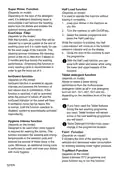
- Page 32: Super rinse function enhances rinsing performance and removes detergent stains. Half load function allows operation without a full load, saving water and power. EverClean filter cleans the micro filter, extending its cleaning period and boosting washing performance. Tablet detergent function optimizes performance with multi-purpose detergents based on water hardness. IonGuard function prevents bad odors and is activated at regular intervals. Hygiene Intense function increases washing and rinsing temperatures for enhanced hygiene. Fast+ function shortens washing cycle time and reduces water consumption. TrayWash function is activated by selecting the Intensive 70°C programme.
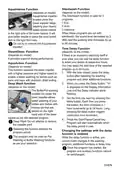
- Page 33: Silentwash function is valid for 3 programs. AquaIntense impeller located under the lower impeller helps washing heavily soiled dishes. When these programs are run with silentwash, the sound level decreases by 2 dBA, and the washing time increases by up to 68 minutes. Time delay function allows you to wash dishes at economic electricity tariff hours. You may delay the start time of the selected program up to 24 hours. AquaActive function operates the lower impeller with higher pressure and speed for better washing of stubborn, dried soiling. The Bottle/Pot washing impeller allows better washing of bottles and dishes with intense dirt. Selecting the deep wash function extends the program period. While the delay function is active, you cannot make changes in the washing program or delay time. Once the program has started, the program and auxiliary functions cannot be set or changed.
- Page 34: To cancel the delay function, press the Program Selection/Program Cancellation button for 3 seconds. The child lock function prevents others from changing the program flow during operation. The SelfDry feature improves drying effectiveness and saves power. Activating the child lock involves pressing and holding the P4 and P5 program buttons simultaneously. The SelfDry function opens the door automatically at the end of the washing cycle. Child lock does not lock the door of the machine. To cancel the child lock, press and hold the P4 and P5 program buttons simultaneously. The SelfDry function may cause changes to the cycle time. Floor illumination indicates the machine is in the washing phase. Floor illumination is activated automatically when the washing program starts.
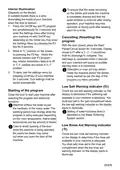
- Page 35: Interior illumination depends on the model. The machine resumes operation at the drying cycle after keeping silent for a while. In suitable models, a lamp illuminates the inside of the machine when the door is opened. To enter the settings menu, press the On/Off key and P2 program key simultaneously for 3 seconds. Cancelling the program requires pressing the Start/Pause/Cancel button for 3 seconds with the door closed. The interior illumination feature is off in L:0 position and active in L:1 position. Check the low salt warning indicator to determine if softening salt is adequate. Add salt to the salt compartment when the low salt warning indicator starts to illuminate. The washing period may change depending on room temperature, mains water temperature, and the amount of dishes. Check the low rinse aid warning indicator to determine if rinse aid is adequate.
- Page 36: Setting the rinse aid amount involves accessing the settings menu by pressing the On/Off key and P2 program key simultaneously. If the mains water supply is cut off, the E:02 icon will flash, and the washing program will stop until water flows into the machine again. To adjust the rinse aid level, select one of the positions from P:0 to P:4 using the P3 program key. The machine will detect an overflow if too much water flows in, indicated by the E:01 icon flashing. If the E:01 icon does not turn off after the safety procedure, the error is permanent, and service should be called. The P:0 position applies no rinse aid, while P:1 to P:4 applies increasing doses of rinse aid. The machine automatically turns off after completing the program or if not started, for energy saving. The InnerClean program should be operated every 1-2 months for machine cleaning and hygiene. It is recommended to use special machine cleaning agents during the InnerClean program. Do not use the InnerClean program to clean dishes, as it operates at high temperatures harmful to them.
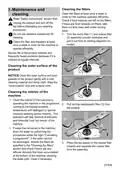
- Page 37: Cleaning the filters is essential for efficient operation. Check for food residues on the filters and clean them under running water. Always read the safety instructions before cleaning. Unplug the product and turn off the tap before cleaning. Avoid using abrasive substances for cleaning. Clean the filter and impellers at least once a week. Regular cleaning extends the product's service life and reduces problems. Gently clean the outer surface and door gaskets with a mild cleaning material. Clean the interior of the machine monthly at the highest temperature with detergent. Drain any remaining water before cleaning the filters and check for blockages.
- Page 38: Cleaning the hose filter is essential to prevent damages caused by impurities in the water supply. Check the filter and the hose regularly and clean them if necessary. Turn off the tap and remove the hose before cleaning. Clean all three filters under tap water using a brush. Place the cleaned filter back into its seat in the hose. Ensure the coarse filter is properly seated and secured with a click sound. Do not use the dishwasher without the filter. Incorrect placement of the filters will reduce washing efficiency. The micro filter cleaning system increases filter cleanliness by 80%. If your machine has an auto filter cleaning feature, do not remove the micro filter cleaning mechanism for cleaning.
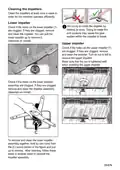
- Page 39: Cleaning the impellers is essential for efficient machine operation. Clean the impellers at least once a week. Do not try to rotate the impeller by holding its ends. Check if the holes on the lower impeller are clogged. If clogged, remove and clean the impeller. Turn the nut to the left to remove the upper impeller. Make sure the nut is tightened well when installing the upper impeller. Check if the holes on the lower impeller assembly are clogged. To remove and clean the lower impeller assembly, hold by the specified points and pull up. Follow the steps in reverse order to reinstall the impeller assembly.
- Page 40: Troubleshooting Machine does not start. Check if the power cable is plugged in. Check the fuses in your house. Make sure that the water inlet tap is open. Make sure that you have closed the door of the machine. Make sure that you have turned on the machine by pressing the On / Off button. Dishes are not washed clean Load the dishes as described in the user manual. Select a programme with a higher temperature and cycle time. Prior to starting the programme, turn the lower and upper impellers by hand to make sure that they rotate freely. Clean the impellers regularly as illustrated in section “Cleaning and Care”. Check if the filter system is clean. Do not overload the baskets in excess of their capacity. If you are using powder detergent, do not store the detergent package in humid places. Adjust the amount of detergent according to the soiling degree of your dishes and/or programme definitions. Check the rinse aid indicator and add rinse aid if necessary. Dishes are not dry at the end of cycle Place your dishes in a way that no water will accumulate in them.
- Page 41: Rinse aid is not sufficient. Check the rinse aid indicator and add rinse aid if necessary. Increase the rinse aid setting if there is enough amount of rinse aid in the machine. Do not unload your machine right after washing process is completed. Slightly open the door and wait for evacuation of the steam inside for a while. Unload the dishes after the pieces cool down to a touchable level. Since rinsing temperature is low at programmes with short duration, drying performance will also be low. Select programmes with longer duration for a higher drying performance. Desired washing performance cannot be obtained on kitchen utensils with deteriorated surfaces and it is not suitable to use such utensils in terms of hygiene. It is not recommended to wash such kitchen utensils in the dishwasher. It is normal that drying complaints can be experienced with Teflon kitchen utensils. Water droplets will remain as beads on the Teflon surface. Select a programme with a higher temperature and cycle time for tea, coffee, or lipstick stains. If you are using powder detergent, do not store the detergent package in humid places. Keep it in a closed container if possible. Measure the hardness of the supply water appropriately and check the water hardness setting. Pay attention not to spill salt around the salt filling hole while adding salt. Make sure that the salt reservoir lid is tightly closed after finishing the filling process.
- Page 42: There is a different odour in the machine. A new machine has a peculiar odour that will fade out after a couple of washes. Check if the filter system is clean and clean it regularly as illustrated in section “Cleaning and Care.” If dirty dishes are kept in the dishwasher for 2-3 days, remove remnants and run the Prewash programme without detergent every 2 days. Salt leakage may cause deterioration and oxidation on metal surfaces. If cutlery soiled with salty food remains in the machine, dirt must be removed by prewash or dishes must be washed immediately. Check if your machine is connected to the actual grounding line to avoid static electricity causing discoloration. Intensive cleansers such as bleaches can damage the protective cover on metal surfaces. Do not use metal kitchen utensils for purposes other than their intended uses to prevent damage. Corrosion on low-quality stainless steel items is inevitable; they should not be washed in dishwashers. Rust on corroded items can migrate to other stainless steel surfaces, causing further corrosion.
- Page 43: Opening of the detergent dispenser lid is prevented during washing. Place the dishes in a way that will not prevent the detergent dispenser lid from opening. Detergent is stored under unsuitable conditions. If you are using powder detergent, do not store the detergent package in humid places. Impeller holes are clogged. Clean the impellers regularly as illustrated in section “Cleaning and Care”. Decorated glasses and decorated lustre porcelains are not suitable for washing in the dishwasher. Kitchen utensils that contain or are made of aluminium should not be washed in the dishwasher. Pay attention not to spill salt around the salt filling hole while adding salt. Spilled salt can cause scratches. Measure the hardness of the supply water appropriately and check the water hardness setting. When placing the glasses and other glassware into the basket, lean them not against other dishes but the edges or racks of the basket. Excessive rinse aid is used. Lower rinse aid setting and clean the spilled rinse aid when adding rinse aid. Corrosion has occurred on glass due to soft water. If your supply water is soft (<5 dH), do not use salt.
- Page 44: Foam forms in the machine. Dishes are washed with hand-wash detergent by hand but not rinsed before placing them into the machine. Hand-wash detergents do not contain antifoam. Rinse aid has spilled into the machine when adding rinse aid. Lid of the rinse aid reservoir is left open. Kitchen utensils are broken. Dishes are not placed orderly in the machine. Baskets are overloaded. Water remains in the dishwasher at the end of the programme. Filters are clogged. Discharge hose is clogged/blocked.

BOSCH SBV6ECX00E/38 Dishwasher

BOSCH SMS4HTW03E Dishwasher

SAMSUNG DW9000F Dishwasher

BOSCH SMS2ITI04Y Dishwasher

FISHER AND PAYKEL DD60SCX9 Single Dish Drawer Dishwasher

Whirlpool RUDXYL Dishwasher

JENNAR JDAF3924RX Undercounter Dishwasher

SIEMENS SX63HX60AE Fully Integrated Dishwasher

FISHER AND PAYKEL DD24STI9N Dishwasher

BOSCH SMD8YCX01G Fully- Dishwasher