
WISBERG WBDW40CW Dishwasher


EN – USER MANUAL
DISHWASHER
WBDW40CW
WBDW40CS
WBDW40CB
29


| General | Details |
|---|---|
| Name | WISBERG WBDW40CW Dishwasher |
| Make | WISBERG |
| Language | English |
| Filetype | PDF (Download) |
| File size | 14.72 MB |
 (1 votes, average: 5.00 out of 5)
 Loading...
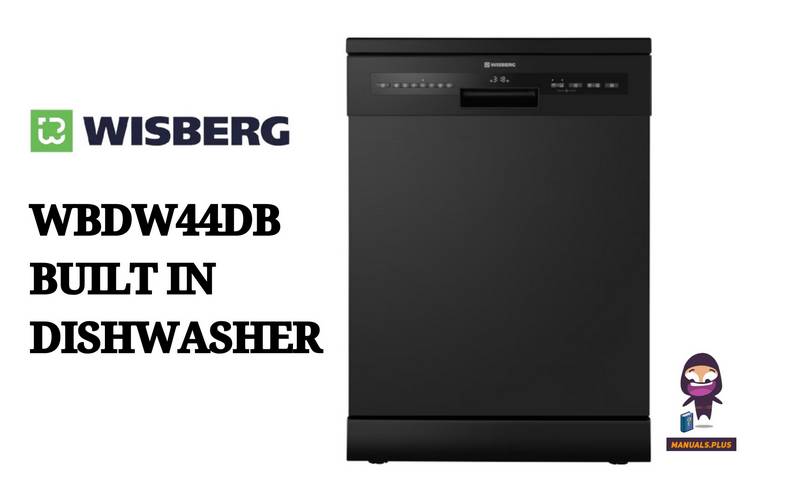
WISBERG WBDW44DB Dishwasher

WISBERG WBDW40CW Dishwasher Overview
Summary of Contents
- Page 1: EN – User manual Dishwasher WBDW40CW WBDW40CS WBDW40CB
- Page 2: Foreword Safety Intended use and foreseeable unintended use Safety warnings and regulations Explanation of graphic symbols on the device and packaging Product features Description of the device Installation Requirements on the location of installation Cleaning and maintenance
- Page 3: Foreword About this document This user manual contains all information for correct, efficient and safe use of the device. This user manual is intended for the end user and/or buyer of this device. Please make sure that you have completely read and understood the instructions in this manual before you install or use the device. Wisepick Productions B.V. cannot be held responsible for immaterial damage to you or others, or material damage to the device, your property or the property of others caused by not or not correctly following the instructions in this manual. The warnings and safety regulations in this manual do not cover all possible circumstances and situations. Original instructions This user manual was originally written in Dutch. All other languages are translated documents. Used symbols Indicates a hazardous situation which, if not avoided, could result in serious immaterial damage to you or others. Indicates useful, additional information. Copyright The data displayed in this manual are the property of Wisepick Productions B.V. and are protected by copyright, trademark law and/or any other intellectual property right.
- Page 4: Safety instructions should be read and understood before installation, use, or maintenance of the device. The device is intended for indoor use only and not as a built-in appliance. It is designed for domestic use and similar applications, including staff kitchens, farms, and catering. The device is not suitable for use by individuals with limited physical or mental capacity unless supervised. Any use outside of the user manual's description is considered unintended and may void the warranty. Users must be alert and careful when operating electrical appliances, especially if impaired. Dishwasher detergents contain toxic substances; instructions must be followed to avoid poisoning. Do not drink water from the appliance or remove dishes until the program is complete. Flammable objects should not be placed in the appliance to avoid explosion hazards. Children and pets must be supervised around the appliance to prevent suffocation risks.
- Page 5: Fire hazard due to short circuit. Do not use this appliance with an extension lead or power strip. Before use, check that the voltage on the socket matches that on the type plate of the appliance. Make sure you install the appliance so that the power cable is always accessible. Fire hazard due to overheating. Do not install the appliance on or near other heat sources. Never place the appliance on a carpet to prevent the air vents from being blocked. Electrocution hazard due to short circuit. Always place the device on a dry and moisture-resistant surface. Never use the device in a damp space, like a bathroom, or nearby a bath, shower, or swimming pool.
- Page 6: Notice regarding risk of damage to the device. This appliance must not be used by children under 8 years of age. Use only the original accessories provided for installation. Do not insert the discharge hose deeper than 15 cm into the drain pipe. Never connect the supply hose to a hot water tap. Do not twist or kink the supply and discharge hoses. Make sure that the power cable is not clamped under the adjusting legs. Never use detergent that is unsuitable for dishwashers. Always clean the stainless steel parts immediately after topping up the dishwasher salt. Never clean the appliance with aggressive or abrasive cleaners.
- Page 7: Explanation of graphic symbols on the device and packaging The CE marking indicates compliance with European legislation on health, safety, and environmental protection. Instructions for use must be read carefully before using the appliance. The appliance must not be lifted by one person alone. This is a class I appliance with metal parts connected to a protective earthing conductor. The appliance must not be disposed of with ordinary household waste but returned to a collection point. Product features The WBDW40CW/WBDW40CS/WBDW40CB is a freestanding dishwasher suitable for up to 14 place settings. The appliance offers eight different dishwashing programmes. At the end of a programme, the door opens slightly for efficient drying. Using the appliance typically consumes less energy and water than washing dishes by hand. The appliance comes with a three-year guarantee period after purchase.
- Page 8: The following spare parts are available on the consumer market for up to 10 years after the introduction of the appliance: Door hinges and seals Spray arms Drain filters Dishwasher racks and associated plastic parts such as baskets and lids Please note that some spare parts are only available to professional repairers. The technical data is indicated on the type plate on the inside of the appliance and on the energy label. The QR code on the energy label provides a web link to the information related to the appliance performance in the EU EPREL database. Keep the energy label for reference together with the user manual and any other documents supplied with this appliance. Before installing the appliance, carefully review the safety information in Section 1. Before use, check that the voltage on the earthed socket matches that on the type plate of the appliance. Only connect the appliance to an earthed power socket. Make sure you install the appliance in such a way that the power cable is always accessible.
- Page 9: Caution regarding the risk of injury from lifting heavy objects. Always move the appliance with two people and use two hands when moving, lifting, or turning it. Danger of entrapment due to tilting the appliance. Always wear protective gloves and closed shoes when moving the appliance. Notice about the risk of damage to the device. Ensure the power cable is not clamped under the adjusting legs and never connect the supply hose to a hot water tap. Place the appliance on a flat, stable, heat-resistant, and moisture-resistant surface with at least 58 cm of free space at the front. Ensure the appliance is not in direct sunlight and is well ventilated, away from heat sources like heaters or stoves. An earthed socket, stop cock, and sink siphon or drain pipe should be within 150 cm of the appliance. The loose drain pipe must have a minimum diameter of 4 cm and be at a maximum height of 100 cm. The dishwasher connection to the siphon must have a minimum diameter of 1½ inches and be at a maximum height of 100 cm. If any connections are missing, contact a qualified technician to install them before installing the appliance. Warning about choking hazard due to packaging material. Keep packaging out of the reach of children.
- Page 10: Main parts include the cutlery drawer, top spray arm, top rack, dishwasher detergent reservoir, rinse aid level indicator, rinse aid reservoir, bottom rack, cutlery basket, door, and operating panel. Important installation notices highlight the risk of damage to the device. Never connect the supply hose to a hot water tap and always use the new supply hose supplied with the appliance. Required tools for installation include a level and screwdriver. Connecting the supply hose involves placing a bucket under the stop cock, turning it to the open position, and letting the water run until clear. After connecting the supply hose, slowly open the stop cock and check for leaks. Ensure the circle behind the sight glass of the water stop is orange; if red, contact customer service for assistance.
- Page 11: Connecting the discharge hose to a siphon requires a minimum diameter of 1½ inches and a maximum height of 100 cm. Remove the dishwasher connection from the siphon and the rubber stopper from the dishwasher connection. Slide a hose clamp around the end of the discharge hose and then slide the discharge hose over the dishwasher connection to the siphon. Tighten the hose clamp with a screwdriver. Do not insert the discharge hose deeper than 15 cm into the drain pipe to prevent water from flowing back during pumping. The loose drain pipe must have a minimum diameter of 4 cm and a maximum height of 100 cm. It is advisable to attach the discharge hose to the wall with a hose bracket to prevent kinks or blockages. Position the appliance at its final location and use a spirit level to check that it is level. Adjust the adjusting legs to level the appliance, with a maximum height of 5 cm. Plug in the power cable after leveling the appliance.
- Page 12: Preparing the appliance for use involves setting the water hardness and the amount of rinse aid. Make sure to set the water softening level to the water hardness in your area to avoid damage to the appliance. The factory setting for the water softener is level H3. Incorrect water hardness settings can result in unclean dishes. To set the water hardness, turn on the appliance and access the water hardness setting menu. The rinse aid setting can also be adjusted through a similar process. The higher the rinse aid setting, the more rinse aid the appliance uses. Adjust the rinse aid level based on the cleanliness and dryness of the tableware. Consult your local water management company for precise water hardness information. Follow the specific steps provided to adjust both the water hardness and rinse aid settings.
- Page 13: Add the dishwasher salt Risk of damage to the device. Always clean the stainless steel parts immediately with a soft cloth after topping up the dishwasher salt. Do not use dishwasher salt if the appliance is set to water softener level H1. The dishwasher salt removes the lime from the rinsing water. The dishwasher salt LED lights up when the dishwasher salt needs to be refilled. Fill the salt reservoir with 1 litre of water for the first use after installation. Fill the salt reservoir to the rim with dishwasher salt. Screw the cap back on the salt reservoir. The dishwasher salt LED goes out. Start a short programme to remove the last remnants of dishwasher salt.
- Page 14: Adjusting the top rack allows for fitting higher or lower tableware. To adjust the top basket, slide it slightly out of the appliance. Lift the top basket up to raise it. Press the two handles on the side to lower the top basket. After adjustment, slide the top rack back into the appliance. Folding in the shelves in the top rack creates space for tall glasses. To make room for tall glasses, fold in the shelves. Place tall glasses against the folded-in shelves in the top rack.
- Page 15: Folding in/out the shelves in the bottom rack allows for accommodating large place settings or plates. For large place settings, fold in the shelves and place the settings in the bottom rack. For plates, fold up the shelves and place them in the slots. Before using the appliance, review the safety information. Always place knives and sharp objects with the sharp tip downwards or horizontally in the rack. Keep the door closed to prevent small children or pets from climbing into the appliance. Do not leave the dishwasher door open to avoid trip hazards. Ensure high tableware placement does not block the spray arms. Do not force the door if it does not close properly; check for obstructions. Remove large food residues before washing to prevent clogs and leaks.
- Page 16: The following dishes are not suitable for use with the appliance: Cutlery with wooden, ivory or pearl handles. Wooden tableware. Tin or copper tableware. Non-corrosion-resistant tableware. Tableware made of plastic. Crystal glassware. Non-dishwasher-safe tableware. Place the dishes in the racks. Cutlery drawer and cutlery basket: Suitable for cutlery. Top rack: Suitable for glassware, coffee and tea cups, saucers and small bowls. Bottom rack: Suitable for pots, pans, lids, dishes, bowls and plates. Check that the spray arms can still rotate freely after filling the dishwasher. The cutlery drawer can be used in three different ways: Two baskets side by side. Two baskets, one on top of the other. One basket on the left-hand side of the cutlery drawer. Never use detergent that is not dishwasher safe. Open the dishwasher detergent reservoir. Fill the dishwasher detergent reservoir with dishwasher detergent. Close the dishwasher detergent reservoir.
- Page 17: The rinse aid ensures that the glassware is dried without stains or streaks. The rinse aid LED lights up when the rinse aid needs to be refilled. You can read the current amount of rinse aid from the rinse aid level indicator. Open the rinse aid reservoir. Fill the rinse aid reservoir up to the rim with rinse aid. Close the rinse aid reservoir. The rinse aid LED goes out. Remove the residual rinse aid around the rinse aid reservoir with a soft, dry cloth. Operating panel includes various function LEDs and buttons. Icons indicate rinse aid, water tap, and different program functions.
- Page 18: 90-minute programme button Quick programme button Top/bottom rack button Child lock Delay button Turbo-/Automatic-door-opening-after-programme button Start/Pause button Choosing a programme: 1. Close the door. 2. Press the on/off button to turn on the appliance. 3. Press a programme button to choose a programme. 4. Check that there is still enough dishwasher detergent in the dishwasher detergent reservoir before starting a new programme. 5. Press the start/pause button to start the programme. The ECO programme is the most efficient programme in terms of combined energy and water consumption. At the first wash, check if there is any leakage at the water drainage. Save energy and water by filling the appliance with the maximum number of place settings.
- Page 19: Choose an additional function Only cleans the dishes in the chosen rack. This locks the control panel. Reduces the programme duration. Automatically opens the door when the programme is finished. The water tap is closed or there is no pressure in the water supply. The rinse aid must be refilled. The dishwasher salt must be refilled. Displays the remaining time of a programme. Programme duration, water and energy consumption.
- Page 20: Water consumption and energy use details for various programmes are provided. Instructions for interrupting the programme include pausing the wash and changing the active programme. Caution is advised when opening the door during operation due to the risk of burns from steam. Steps for opening the door include pausing the wash, waiting five seconds, and then placing dishes in the racks. To cancel the active programme, the start/pause button must be pressed followed by holding the programme button for three seconds. It is important to check the dishwasher detergent reservoir before starting a new programme.
- Page 21: The end of a programme involves a warning about the risk of poisoning from dishwasher detergent left on dishes. It is cautioned not to leave the dishwasher door open or place objects in front of it during operation. A beep will sound when the programme is finished, and the display will flash 0:00. The door opens automatically for air drying, and dishes can then be removed. Before cleaning the appliance, review the safety information. There is a warning about electrocution hazard due to short circuit if water is poured over the appliance. Always unplug the appliance before cleaning. Never use aggressive or abrasive cleaners or sharp objects on the appliance. Cleaning and maintenance should not be performed by children without supervision. The outside of the appliance should be cleaned every two months with a soft damp cloth.
- Page 22: Cleaning the filters should be done once a week. To clean the filters, turn the filter anticlockwise to unlock the filter system. Press the sides of the mesh filter ring to loosen the mesh filter. Remove the filter from the flat filter and any foreign objects from the filters. Clean the flat filter, mesh filter, and the filter under running water. Use a washing-up brush to remove stubborn dirt. Reassemble the mesh filter, flat filter, and the filter. Put the mesh filter, flat filter, and the filter back into the appliance and turn the filter clockwise to lock the filter system. Cleaning the spray arms is important to prevent leaks. Clean the spray arms once every two months.
- Page 23: Pull off the bottom spray arm. Clean the top spray arm and the bottom spray arm under running water. Use a narrow and pointed stick to remove the dirt from the holes. Place the top spray arm and the bottom spray arm back into the appliance. Do not perform any repairs to the appliance that are not described in this manual. The appliance may only be repaired by an authorised service technician. Some problems can be easily solved by yourself using the table below. The appliance will not start. The power cable is not connected to an earthed socket. Water is leaking from the appliance.
- Page 24: Problem: The water is not pumped out. Possible cause: The discharge hose is twisted or clamped. Potential solution: Check whether the discharge hose is blocked. Problem: A lot of foam is created during a wash. Possible cause: The wrong dishwasher detergent has been used. Potential solution: Only use dishwasher detergent suitable for dishwashers. Problem: There is a deposit on the inside of the appliance. Possible cause: The hardness of the water can cause limescale build-up. Potential solution: Clean the inside of the appliance with a special dishwasher cleaner. Problem: The dishwasher detergent gives off colour. Possible cause: The cutlery is not corrosion-resistant. Potential solution: Use dishwasher detergent without dyes. Problem: There are rust marks on the cutlery. Possible cause: Only place corrosion-resistant cutlery in the appliance. Problem: The appliance makes an exceptional amount of noise. Potential solution: Open the door and move the tableware which causes the problem. Problem: The dishes are not clean. Possible cause: The dishes are not placed properly or are placed too close together in the racks. Potential solution: Follow the instructions for putting the dishes in the dishwasher. Problem: The selected programme is not powerful enough. Potential solution: Select a more powerful programme. Problem: The filter system is dirty. Potential solution: Clean the filter system. Problem: The water softening level is incorrectly set. Potential solution: Set the water softening level to the water hardness in your region.
- Page 25: Problem: There are white marks on the tableware. Possible cause: The dishwasher salt must be topped up. Potential solution: Refill the dishwasher salt. Follow the instructions in chapter 3.5.3. Possible cause: The water softening level is incorrectly set. Potential solution: Set the water softening level to the water hardness in your region. Follow the instructions in chapter 3.5. Possible cause: Too much dishwasher detergent was used. Potential solution: Follow the dishwasher detergent instructions for the correct amount of dishwasher detergent per wash. Problem: The dishes are not dry. Possible cause: The dishes are not properly placed in the racks. Potential solution: Follow the instructions in chapter 4.1 for putting the dishes in the dishwasher. Possible cause: The dishes were taken out of the appliance too soon. Potential solution: Wait a few minutes after the end of the programme before removing the dishes from the appliance. Possible cause: The selected programme does not have a drying phase. Potential solution: Choose a programme with a drying phase.
- Page 26: Error messages on the display include E1, E3, E4, E8, EC, and Ed. E1 indicates low water pressure, and the solution is to check the supply hose and fully open the stop cock. E3 suggests a defective heating element or a leak, requiring an authorized service technician. E4 involves multiple checks, including unplugging the power cable, ensuring the supply hose is connected, and checking for blockages in the discharge hose and water drainage. E8 indicates a fault in the discharge pump, requiring a complete power cycle of the device. EC points to a fault in the circuit board or motor, also needing a power cycle and potentially requiring service. Ed signifies a communication issue between the circuit board and the display, necessitating service.
- Page 27: Transport and storage Caution: Danger of entrapment due to tilting the appliance. Always wear protective gloves and closed shoes when moving the appliance. Risk of injury from lifting heavy objects. Always move the appliance with two people. Notice: Risk of damage to the device. Never drop the appliance and avoid bumping. Unplug the power cable from the earthed socket. Clean the appliance following the instructions in chapter 5. Leave the door open for at least 24 hours so that all the moisture can escape from the appliance. Pack the appliance in soft packaging such as bubble wrap or a blanket to prevent damage. Disposing of packaging material should follow national and local regulations regarding environmentally friendly disposal. The materials used in this appliance are recyclable and should not be disposed of with household waste throughout the EU. Proper disposal of the appliance helps prevent potential hazards to the environment and public health.

little tikes 663741 First Dishwasher

BOSCH SMS2ITI06X-60 Dishwasher

KitchenAid KDTF324PPA Dishwasher

FISHER and PAYKEL DW24UNT4X2 Dishwasher

smeg LSPU8643WH Dishwasher

BOSCH SPS4HMI49E Dishwasher

SIEMENS 9001881808 Fully Iintegrated Dishwasher

BOSCH SMV8ZCX00X Dishwasher

VIKING 3 Series Dishwasher

BOSCH SHE53C86N 500 Series Dishwasher